


My period started on the 26th—what date is my ovulation period?
Aug 24, 2022
Source: Cainiu Health

Dr. Lv Aiming
Introduction
Menstruation began on the 26th. In women, ovulation typically occurs approximately 14 days before the onset of the next menstrual period. In this case, ovulation is expected to occur around the 10th to 12th of next month. The likelihood of ovulation is higher during this period; however, this method is only suitable for women with regular menstrual cycles and is not highly accurate, as ovulation may occur earlier or later than expected—a normal physiological variation.
In real life, many women experience difficulty conceiving due to various adverse factors—such as excessive workloads, unhealthy habits, or poor lifestyle choices—leading to the perception that conception is unusually challenging. To increase their chances of pregnancy, many rely on timing intercourse around ovulation.
So, if menstruation begins on the 26th, when does ovulation occur?
If menstruation begins on the 26th, when does ovulation occur?
When menstruation starts on the 26th, ovulation typically occurs approximately 14 days before the onset of the next menstrual period. In this scenario, ovulation would likely fall around the 10th to 12th of the following month. During this window, the likelihood of ovulation is highest. However, this method is only reliable for women with regular menstrual cycles—and even then, it remains imprecise, as ovulation may occur earlier or later than expected, which is entirely normal. For accurate determination of ovulation timing, transvaginal ultrasound monitoring is recommended.
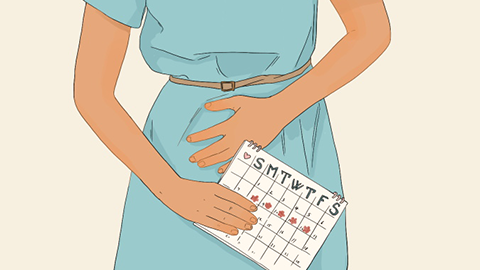
Menstruation is a normal physiological process and should be approached with an optimistic mindset and a positive emotional state. Because menstrual bleeding can lead to iron loss, it is advisable to consume warm, iron-rich, nourishing foods—such as lean meat, animal liver, and eel. Small portions of warming fruits—including dragon fruit, cherries, peaches, and lychees—are acceptable; however, cooling fruits such as bananas, mangoes, and watermelons should be avoided.
In daily life, cultivating healthy living and dietary habits is essential. We hope this information proves helpful to you.



