


What are some effective ways to relieve menstrual cramps?
Aug 24, 2022
Source: Cainiu Health

Dr. Lv Aiming
Introduction
Dysmenorrhea can be alleviated through vitamin supplementation and dietary modifications. Many women with dysmenorrhea experience infrequent menstrual pain after taking appropriate daily doses of vitamins and minerals. Therefore, it is recommended to take a multivitamin and mineral supplement several times per day, ideally at reduced dosages. Studies have also found that supplementing with calcium, potassium, and magnesium helps relieve menstrual pain.
Dysmenorrhea is also a contributing factor to gynecological disorders. Statistical data indicate that over one-third of cases of mammary gland hyperplasia are triggered by dysmenorrhea, and more than half of uterine inflammatory conditions are associated with it. Clinical observations suggest that dysmenorrhea externally manifests stagnation of Qi, blood stasis, and accumulation of phlegm-dampness. If left untreated, it may precipitate various gynecological diseases. So, what effective methods are available to alleviate dysmenorrhea?
Effective Methods to Alleviate Dysmenorrhea
Dysmenorrhea can be relieved through vitamin supplementation and dietary modifications. Many women with dysmenorrhea report significantly reduced menstrual pain after consistently consuming appropriate amounts of vitamins and minerals daily. Therefore, it is recommended to take a multivitamin and mineral supplement several times per day—ideally at a moderately reduced dosage. Supplementing with calcium, potassium, and magnesium has also been shown to help ease menstrual discomfort. Research indicates that women who take calcium supplements experience less menstrual pain compared to those who do not.
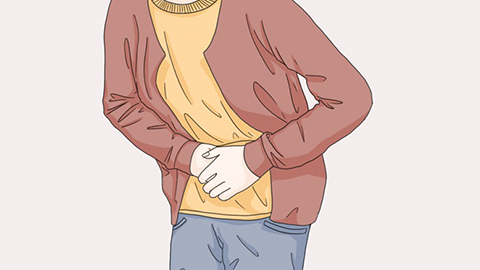
Individuals experiencing dysmenorrhea must maintain a balanced diet. Regularly consuming vegetables, fruits, chicken, and fish—and eating smaller, more frequent meals—can help reduce the severity of menstrual pain. It is also important to ensure adequate intake of essential minerals, as mineral deficiencies may exacerbate dysmenorrhea. Foods rich in calcium and magnesium—such as milk, dried shrimp, and sesame paste—are particularly beneficial and can effectively alleviate symptoms. Additionally, maintaining warmth—especially during menstruation—is crucial. Wearing extra layers of clothing and drinking warm herbal teas (e.g., ginger or chamomile tea) can further help mitigate dysmenorrhea.
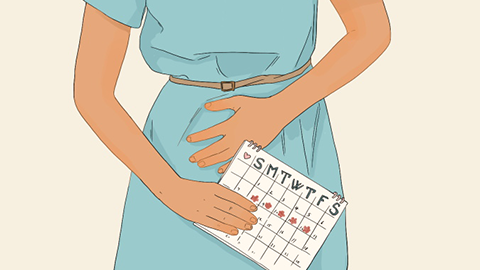
Alcohol consumption should be avoided entirely during menstruation, including all alcoholic beverages. Adequate rest is essential; strenuous or prolonged physical activity should also be avoided, as it may intensify menstrual pain. We hope this information proves helpful to you.




