


Is sitz bathing beneficial for hemorrhoids?
Aug 24, 2022
Source: Cainiu Health

Dr. Cheng Yicheng
Introduction
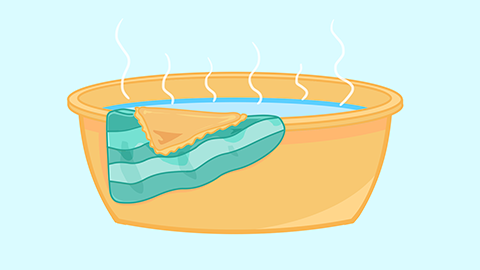
In daily life, sitz baths are beneficial for hemorrhoids. Currently, warm water sitz baths are predominantly used; they effectively improve microcirculation around the anus, alleviate clinical symptoms of hemorrhoids, maintain perianal cleanliness, and may even reduce hemorrhoid size. It is recommended to perform sitz baths 1–2 times daily, for 10–15 minutes each session. This applies to individuals with hemorrhoids in their daily routine.
Hemorrhoids are quite common in daily life—approximately eight out of ten people experience them at some point. Maintaining personal hygiene is essential, and hemorrhoids should be taken seriously and treated promptly. So, does sitz bathing benefit hemorrhoids?
Does sitz bathing benefit hemorrhoids?
In everyday life, sitz bathing does offer benefits for hemorrhoids. Currently, warm-water sitz baths are primarily used; they effectively improve microcirculation around the anus, alleviate clinical symptoms of hemorrhoids, maintain perianal cleanliness, and may even reduce hemorrhoidal tissue volume. It is recommended to perform sitz bathing once or twice daily for 10–15 minutes each session. Additionally, patients with hemorrhoids should engage in appropriate physical exercise—such as brisk walking, slow jogging, or tai chi—and adhere to sound work-rest schedules to avoid staying up late or overworking.
Hemorrhoids require timely treatment, which generally includes conservative (non-surgical) management and surgical intervention. Conservative treatment is suitable for mild cases—for instance, minor bleeding after wiping with toilet paper or pain caused by external perianal nodules. Topical hemorrhoid ointments and oral herbal preparations such as Huaijiao Wan (Sophora japonica pill) may be prescribed. For severe symptoms—such as dripping blood during defecation or recurrent prolapse of internal hemorrhoidal masses—surgical treatment is indicated. Surgical options include both conventional and minimally invasive techniques; the choice depends on a comprehensive assessment of the patient’s specific symptoms and findings from specialized examinations.
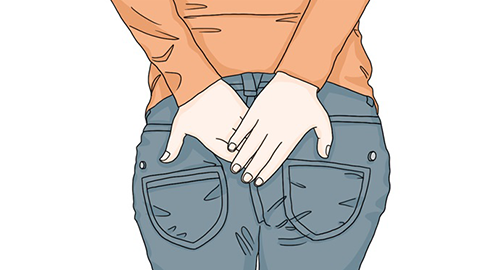
Patients should drink plenty of water and consume ample fruits and vegetables to ensure smooth, soft bowel movements and minimize straining and time spent on defecation. We hope this information proves helpful to you.







