


What are the symptoms of osteophyte formation?
Aug 24, 2022
Source: Cainiu Health

Dr. Lin Yunfei
Introduction
Symptoms of osteophytosis (bone spur formation) vary depending on the type. When cervical or lumbar osteophytes compress adjacent nerves, corresponding neurological symptoms may arise—such as numbness in both hands, weakness and soreness in the lower limbs, generalized limb weakness, and dysfunction of bladder or bowel control. Additionally, osteophyte formation around ligaments can trigger osteoarthritis.
Osteophyte formation—commonly referred to as “bone spurs”—is a chronic joint disorder frequently observed in middle-aged and elderly individuals. It may cause localized redness, swelling, and pain, leading to impaired mobility and significantly affecting patients’ daily lives. So, what symptoms does osteophyte formation present?
What Are the Symptoms of Osteophyte Formation?
Symptoms vary depending on the anatomical location and type of osteophyte formation. When cervical or lumbar osteophytes compress adjacent nerves, corresponding neurological symptoms may arise—such as numbness in both hands, weakness or heaviness in the lower limbs, generalized limb weakness, and dysfunction of bladder or bowel control. Osteoarthritis may also develop secondary to osteophyte formation: bony outgrowths (osteophytes) around ligament attachment sites can trigger inflammation and degeneration of the joint, resulting in joint pain, swelling, restricted range of motion, and joint deformity. Another common presentation is localized pain—frequently involving the spine, pelvis, heels, or wrists. Pathologically, osteophyte formation reflects calcification at ligament insertion points; radiologically, it manifests as visible bony spurs. Thus, the predominant clinical manifestations are pain and neurological symptoms attributable to nerve compression.
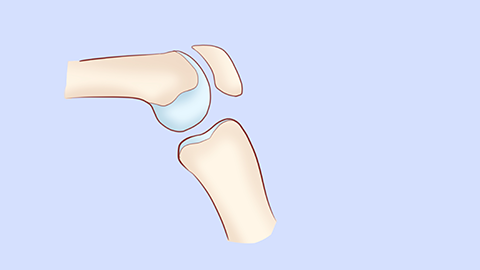
Generally speaking, the first priority is reducing mechanical stress. For example, in cervical osteophyte formation, avoid activities that increase cervical load—office workers who sit for prolonged periods should regularly lift their heads and avoid maintaining static postures for extended durations. In lumbar osteophyte formation, avoid prolonged sitting, exposure to cold, heavy lifting, and ensure adequate warmth; wearing a lumbar support brace during the acute phase may be beneficial. For knee osteophyte formation, weight management is essential; engage in appropriate low-impact exercise to strengthen surrounding musculature while minimizing excessive joint loading. Avoid high-impact activities, deep squatting, stair climbing, and exposure to cold.
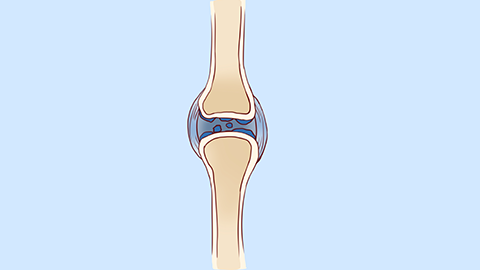
In daily life, maintain a regular, balanced diet—avoid spicy, stimulating foods and overeating, and refrain from staying up late. We hope this information proves helpful.


