


What Are the Symptoms of Osteophyte Formation?
Aug 24, 2022
Source: Cainiu Health

Dr. Lin Yunfei
Introduction
The primary symptom of osteophyte formation is pain. Taking knee osteophytes as an example, with advancing age and skeletal aging, the articular cartilage gradually wears down and thins, leading to friction between the bony ends of the joint. Once the cartilage is worn, the body responds by forming osteophytes—bony outgrowths—to increase the surface area of the bone, thereby adapting to these changes and attempting to repair the damaged state.
Osteophytosis (bone spur formation) is a common condition encountered in daily life. It can occur in many anatomical locations, including the lumbar spine.
What symptoms does osteophytosis cause?
The primary symptom of osteophytosis is pain. Taking knee osteophytosis as an example, with advancing age and natural skeletal aging, articular cartilage gradually wears down and thins, leading to friction between the bony ends of the joint. Once cartilage erosion occurs, the body attempts to adapt to these changes and repair the damage by forming new bone—resulting in osteophyte growth. In fact, osteophytosis represents a form of the body’s self-protective response. In its early stages, osteophytosis is typically asymptomatic; however, in later stages, inflammatory reactions may develop, such as joint pain or swelling.

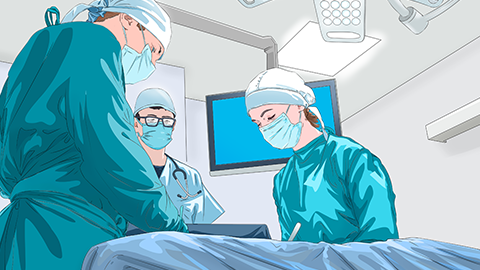
Osteophytosis can be treated surgically via excision. However, surgical intervention is considered the least favorable treatment option for cervical spine osteophytosis. Even if osteophytes are temporarily removed through surgery, ongoing degenerative changes over time will inevitably lead to recurrent or progressive osteophyte formation. Moreover, inflammatory stimulation induced during surgery may even cause patients to revert to their preoperative condition shortly after the procedure.
In daily life, individuals should avoid strenuous physical activity, ensure adequate calcium intake, get regular sun exposure, and consider adjunctive therapies such as local heat application or physical therapy. We hope this information proves helpful to you.


