


What precautions should be taken for mumps?
Aug 24, 2022
Source: Cainiu Health

Dr. Zhang Liwen
Introduction
After contracting mumps, prompt isolation measures must be implemented. Since mumps is a respiratory infectious disease, parotid gland pain and swelling typically occur following onset. Chewing may become difficult during meals, so dietary management should be strengthened. It is advisable to prioritize semi-liquid or liquid foods—such as mild vegetable soup or fresh fruit juice—and avoid acidic or hard foods.
Mumps is a common infectious disease among children. If a child不幸 contracts epidemic mumps, their cheeks become swollen and painful, making eating difficult. Moreover, since the mumps virus can invade all organs of the body, it may lead to serious complications such as meningitis, encephalitis, orchitis, pancreatitis, mastitis, and oophoritis—causing significant distress to the child. So, what precautions should be taken when managing mumps?
Precautions for Mumps
Once mumps is diagnosed, immediate isolation measures must be implemented. As mumps is a respiratory infectious disease, patients typically experience pain and swelling of the parotid glands, which impairs chewing ability. Therefore, dietary management is crucial: soft or liquid foods—such as light vegetable soups or fresh fruit juices—are recommended, while acidic and hard foods should be avoided. Additionally, patients should drink plenty of warm water. Thorough mouth rinsing after each meal is essential to maintain good oral hygiene and prevent secondary infection.
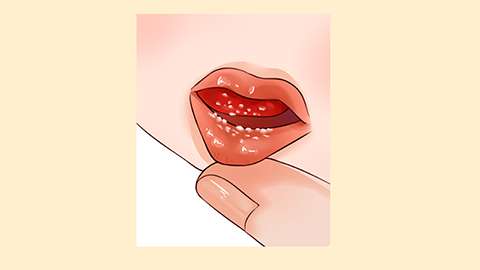
Smoking and alcohol consumption should also be avoided. The living environment should remain well-ventilated, and patients should actively cooperate with medical treatment. To prevent suppurative parotitis, maintaining rigorous oral hygiene, ensuring proper fluid balance, enhancing nutritional intake, and initiating prompt anti-infective therapy are all critical. For prevention of mumps, avoid close contact with infected individuals, practice regular handwashing, frequently air out bedding, and take extra protective measures for vulnerable populations.

If symptoms suggestive of mumps appear, prompt medical evaluation and active cooperation with prescribed treatment are essential. We hope this information proves helpful.


