


Warning Signs of Angina
Aug 24, 2022
Source: Cainiu Health

Dr. Li Man
Introduction
Most precursors of angina pectoris include chest pain, chest tightness, and other forms of chest discomfort occurring during physical exertion or emotional stress. Angina pectoris is a clinical syndrome characterized primarily by paroxysmal chest pain or discomfort resulting from acute, transient myocardial ischemia and hypoxia due to inadequate coronary artery blood supply. It encompasses both stable angina and unstable angina.
Chest and upper arm pain, along with shortness of breath, may be caused by angina pectoris, which can also lead to serious complications such as arrhythmias and heart failure. So, what are the warning signs of angina?
Warning Signs of Angina
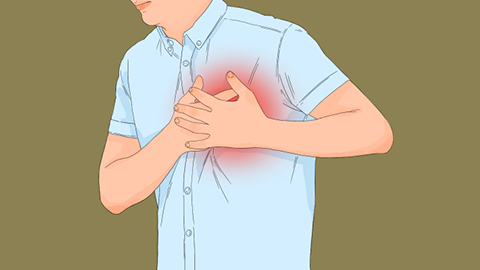
Most warning signs of angina include chest pain, chest tightness, and other forms of chest discomfort—particularly during physical exertion or emotional stress. Angina pectoris is a clinical syndrome characterized primarily by paroxysmal chest pain or discomfort resulting from acute, transient myocardial ischemia and hypoxia due to insufficient coronary artery blood supply. It encompasses both stable and unstable angina. Paroxysmal chest pain is the classic symptom of angina, typically localized to the precordium or mid-chest area, covering an area roughly the size of a palm, and often described as pressure, constriction, or burning.
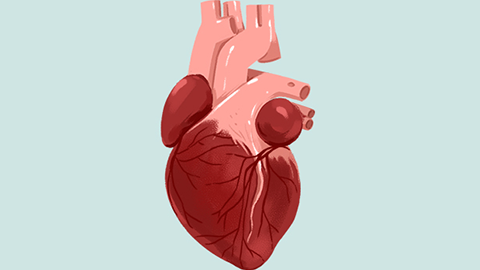
Angina may result from underlying coronary artery disease, physical exertion, or intense exercise—since the coronary arteries serve as the primary blood supply route to the heart. Certain pathological changes may occur in these arteries, such as congenital coronary artery stenosis or coronary atherosclerosis. In particular, when atherosclerotic plaques rupture or detach, they may cause partial or complete coronary artery obstruction, leading to inadequate myocardial perfusion and subsequent angina symptoms. Physical exertion and intense exercise can also trigger angina, as they significantly increase cardiac workload.
In daily dietary management for angina, patients should reduce intake of greasy foods, follow a low-salt diet, and consume more fresh vegetables. We hope this information proves helpful to you.





