


How to Differentiate Between Yin Deficiency and Yang Deficiency
Aug 24, 2022
Source: Cainiu Health

Dr. He Haochen
Introduction
TCM states that Yang deficiency leads to internal cold, while Yin deficiency leads to internal heat; thus, Yang deficiency primarily manifests as cold signs, whereas Yin deficiency manifests as deficient-heat signs. Yin deficiency is characterized by symptoms such as warm palms and soles, night sweats, and a sensation of heat in the chest—these are key distinguishing features of Yin deficiency. In Yang deficiency, the complexion appears pale; in Yin deficiency, the complexion appears flushed. The characteristic flush in Yin deficiency is localized to the malar (cheekbone) areas—not generalized redness. A diffusely red face, by contrast, suggests Damp-Heat.
Kidney deficiency is a common condition today. When the body exceeds its physiological capacity, various diseases may develop. Patients with kidney deficiency often exhibit symptoms such as dizziness, tinnitus, and fatigue. However, kidney deficiency is broadly categorized into yin deficiency and yang deficiency—how, then, can one distinguish between the two?
Distinguishing Yin Deficiency from Yang Deficiency
According to Traditional Chinese Medicine (TCM), yang deficiency gives rise to internal cold, whereas yin deficiency leads to internal heat. Consequently, yang deficiency primarily manifests as cold signs, while yin deficiency presents with signs of deficient heat. Key features distinguishing yin deficiency include hot palms and soles, night sweats, and a sensation of heat in the chest or heart. In terms of complexion, yang deficiency typically results in pallor, whereas yin deficiency is associated with a reddish hue—specifically, redness localized to the cheekbones rather than generalized facial flushing (which suggests damp-heat instead). Due to impaired qi transformation and warming functions, yang deficiency leads to fluid retention, resulting in loose stools and copious, clear urine. Conversely, yin deficiency involves internal heat and reduced yin-fluid, producing scanty, dark-yellow or reddish urine. Patients with yang deficiency rarely experience thirst, whereas those with yin deficiency commonly report dry mouth and throat. Tongue and pulse findings also differ: in yang deficiency, the tongue appears pale with a thin white coating and the pulse feels deep and weak; in yin deficiency, the tongue is red with little or no coating, and the pulse is fine and rapid.
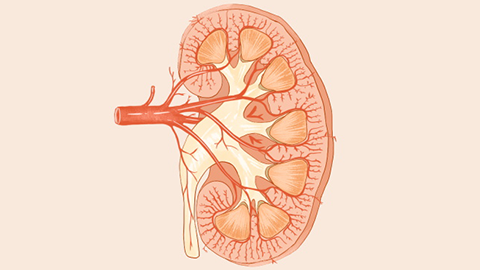
Clinically, yin deficiency and yang deficiency represent two distinct pathological states. Yin deficiency is characterized by night sweats, five-center heat (palms, soles, and chest), weight loss, dry throat, flushed cheekbones, dark-yellow urine, a red tongue with scanty coating, and a fine pulse. Oral administration of Liu Wei Di Huang Wan (Rehmannia Six Formula) is commonly recommended for treatment. Yang deficiency, by contrast, presents with a thin white tongue coating, weak pulse, lack of thirst, cold hands and feet, aversion to cold, tinnitus, dizziness, joint pain, and clear, copious urine. Jin Kui Shen Qi Wan (Golden Cabinet Kidney Qi Pill) is often prescribed for this pattern. In cases of combined kidney yin-yang deficiency, Gui Fu Di Huang Wan (Cinnamon and Aconite Rehmannia Pill) may be used.

In daily life, individuals should actively engage in physical exercise to strengthen their constitution and ensure adequate sleep—avoiding late-night activities. We hope this information proves helpful to you.


