


Can I get vaccinated during my menstrual period?
Aug 24, 2022
Source: Cainiu Health

Dr. Lv Aiming
Introduction
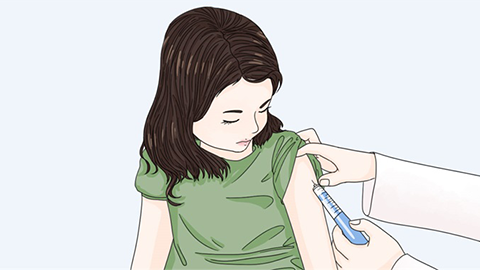
Vaccination, including the HPV and hepatitis B vaccines, is not recommended during menstruation, as the body’s immune function and tolerance are relatively reduced at this time. Most vaccines have some degree of toxicity; administering them when the body is weakened may cause certain harm. If vaccination is desired, it is best to schedule it outside the menstrual period.
Menstruation is a physiological cyclical process. Approximately once a month, the endometrium undergoes a natural, recurring cycle of thickening, blood vessel proliferation, glandular growth and secretion, followed by endometrial breakdown, shedding, and associated bleeding.
Can vaccines be administered during menstruation?
Vaccination is generally not recommended during menstruation—including for vaccines such as the human papillomavirus (HPV) vaccine and hepatitis B vaccine—because immune function and tolerance may be relatively reduced during this period. Most vaccines possess some degree of reactogenicity; administering them when the body is in a weakened state may cause adverse effects or place additional strain on the body. Therefore, it is advisable to schedule vaccination outside of the menstrual period. Additionally, certain medications should be avoided during menstruation. For instance, blood-activating (circulation-promoting) agents may increase menstrual flow, while hemostatic agents may cause abrupt cessation of menstruation. Consequently, medication use during menstruation warrants particular caution and should ideally be guided by a physician to avoid disrupting normal menstrual physiology.

Patients should also minimize consumption of foods containing high levels of estrogen during this time—for example, royal jelly (naturally rich in estrogen) and soy-based products (containing relatively high amounts of soy isoflavones, which have estrogenic activity). While these foods are generally safe in moderation, excessive intake should be avoided. If dietary sources are limited, modest supplementation may be appropriate.
During menstruation, individuals should pay close attention to their physical condition, maintain regular sleep schedules, and avoid staying up late. We hope this information proves helpful.


