


Can staying up late cause nosebleeds?
Aug 31, 2022
Source: Cainiu Health

Dr. Xu Gang
Introduction
Staying up late can cause nosebleeds. During sleep deprivation, the body is more prone to dehydration, which may reduce nasal mucosal secretions and increase the risk of nasal mucosal injury and epistaxis. Additionally, staying up late often leads to “internal heat” (a traditional Chinese medicine concept referring to inflammatory or hyperactive conditions), which further dries out the nasal mucosa, predisposing it to erosion and bleeding.
Staying up late poses significant health risks and may even trigger various diseases. So, can staying up late cause nosebleeds?
Can staying up late cause nosebleeds?
Staying up late can indeed cause epistaxis (nosebleeds). During prolonged wakefulness, the body is more prone to dehydration, which may reduce nasal mucosal secretions, increasing susceptibility to mucosal injury and subsequent nosebleeds. Additionally, sleep deprivation often leads to “excess heat” (a traditional Chinese medicine concept associated with inflammatory or hypermetabolic states), resulting in nasal mucosal dryness, erosion, and bleeding. Furthermore, chronic sleep deprivation may elevate blood pressure, thereby increasing local vascular pressure and further raising the risk of epistaxis.
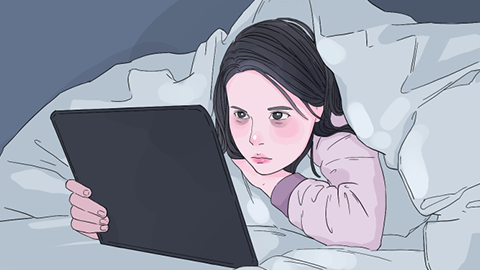
Patients experiencing nosebleeds should avoid consuming vegetables such as garlic, onions, ginger, green peppers, and chili peppers. They should also avoid fruits known to induce “excess heat,” including longan, lychee, and mangoes. Warm-natured or tonifying supplements—such as ginseng and bird’s nest—should be avoided. Seafood should likewise be avoided, as it may provoke epistaxis. Highly greasy foods—including fried items—may exacerbate internal heat and increase bleeding risk. Similarly, consumption of warming meats like dog meat and mutton should be minimized, as they may contribute to “excess heat” and precipitate nosebleeds.
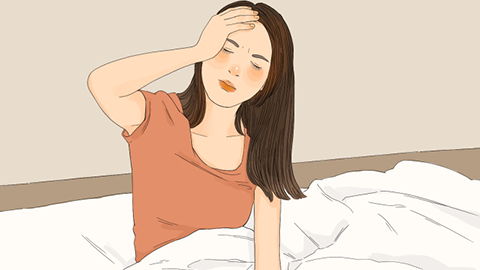
Patients should maintain a regular daily routine and seek prompt medical attention if symptoms arise. We hope this information has been helpful.








