


How is pneumonia transmitted?
Aug 31, 2022
Source: Cainiu Health

Dr. Guo Xiheng
Introduction
The main routes of infection for pneumonia are transmission via respiratory droplets and close contact. The viruses that cause viral pneumonia can enter the air through a patient's sneezing or coughing and then enter the body of a healthy person through the respiratory tract, leading to pneumonia. In addition, if one accidentally touches daily items used by a pneumonia patient and fails to wash hands promptly, the virus can easily enter the body through the mouth or nose and cause pneumonia.
Pneumonia is a common disease encountered in daily life and poses a significant threat to human health. Prompt and active treatment is essential.
How is pneumonia transmitted?
The primary transmission routes of pneumonia are respiratory droplets and close contact. Viruses causing viral pneumonia are expelled into the air via sneezing or coughing by infected individuals and subsequently enter the respiratory tract of healthy individuals, leading to infection. Additionally, inadvertent contact with everyday items used by pneumonia patients—followed by failure to wash hands promptly—may allow pathogens to enter the body through the mouth or nose, resulting in pneumonia. Patients diagnosed with pneumonia should practice self-isolation and minimize outings. When going outside is unavoidable, wearing a mask is strongly recommended to reduce transmission risk. Regular physical exercise helps strengthen the immune system, thereby lowering the likelihood of developing pneumonia and mitigating its adverse effects on the body. Pneumonia is commonly triggered by colds, influenza, or exposure to cold and damp conditions; therefore, maintaining warmth and avoiding cold exposure is crucial in daily life.
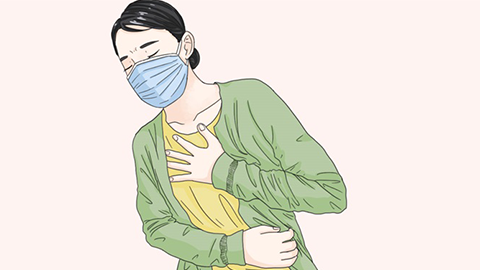
Patients with pneumonia should avoid high-protein foods. Excessive intake of such foods increases urea excretion, which in turn promotes excessive water loss. This is particularly problematic for febrile patients already experiencing dehydration. During the recovery phase, modest consumption of high-protein foods (e.g., eggs, tofu) may be appropriate, but overconsumption should be avoided. Similarly, high-sugar foods should be limited. Excess sugar intake can suppress the body’s natural antimicrobial defenses; the greater the intake, the more pronounced the immunosuppressive effect—and consequently, the more severe the illness may become (e.g., sweets, cakes). Spicy or irritating foods—including chili peppers, scallions, and garlic—should also be avoided, as they may irritate mucosal surfaces, exacerbate pneumonia symptoms, and even trigger complications such as asthma or palpitations.

Pneumonia is a frequently encountered condition; once identified, timely medical intervention is critical to ensure proper recovery and prevent serious systemic complications. We hope this information proves helpful to you.


