


Is bilateral pneumonia serious?
Aug 31, 2022
Source: Cainiu Health

Dr. Guo Xiheng
Introduction
Bilateral pneumonia is extremely severe. Once bilateral pneumonia occurs, it typically indicates a more serious pulmonary infection and more severe clinical symptoms in the patient. Consequently, patients may experience dyspnea—or even respiratory distress—particularly in elderly individuals with pneumonia. Moreover, the severity of bilateral pneumonia lies in its higher propensity to cause complications and sequelae, thereby worsening the disease.
Many patients discover they have pneumonia in both lungs, which affects the health of many people. When hearing it is bronchopneumonia affecting both lungs, they may assume the condition is more serious. So, how severe is bilateral bronchopneumonia?
How Severe Is Bilateral Lung Pneumonia?
Bilateral lung pneumonia is very serious. Once it occurs, it usually indicates a more severe degree of lung infection and more pronounced clinical symptoms in the patient. Therefore, patients may experience difficulty breathing or even severe respiratory distress, especially elderly individuals with pneumonia. Moreover, the severity of bilateral pneumonia lies in its higher likelihood of causing complications and sequelae, thereby worsening the illness. Sometimes, severe pneumonia results from bilateral lung involvement, leading to secondary organ dysfunction or failure. In particular, when respiratory failure develops as a complication, the disease becomes even more critical and potentially life-threatening. Additionally, bilateral pneumonia is difficult to treat and has a prolonged course. Without timely and effective treatment, sepsis, infectious shock, and damage to vital organs such as the heart, liver, and kidneys may occur, further exacerbating the condition. Therefore, prompt anti-infective and symptomatic treatment is essential upon diagnosis of bilateral pneumonia to improve outcomes and reduce disease severity.
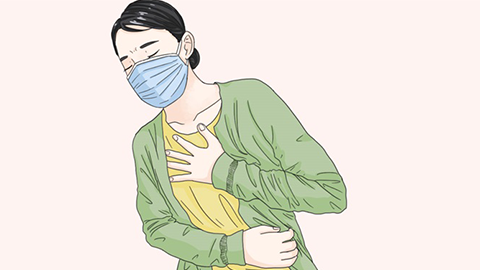
After developing pneumonia, patients often experience fever and chills. At this time, energy consumption in the body is relatively rapid. It is best to avoid raw and cold foods such as watermelon, crab, cold beverages, and ice cream, which may impair the spleen and stomach's yang energy, affect gastrointestinal digestion and absorption, and hinder recovery. After contracting pneumonia, it is also advisable to limit or avoid oily fish and seafood such as fish, shrimp, crab, fatty meat, mutton, dog meat, and rooster, as these foods may promote internal heat and phlegm production, worsening symptoms like fever, cough, and sputum associated with pneumonia.

Once bilateral lung pneumonia develops, patients must receive timely treatment and strive for quick recovery to prevent significant harm to the body. It is also important to seek prompt medical care at a正规 hospital to prevent disease progression. We hope this information is helpful to you.


