What should I do about blurred vision after craniotomy?
Sep 07, 2022
Source: Cainiu Health

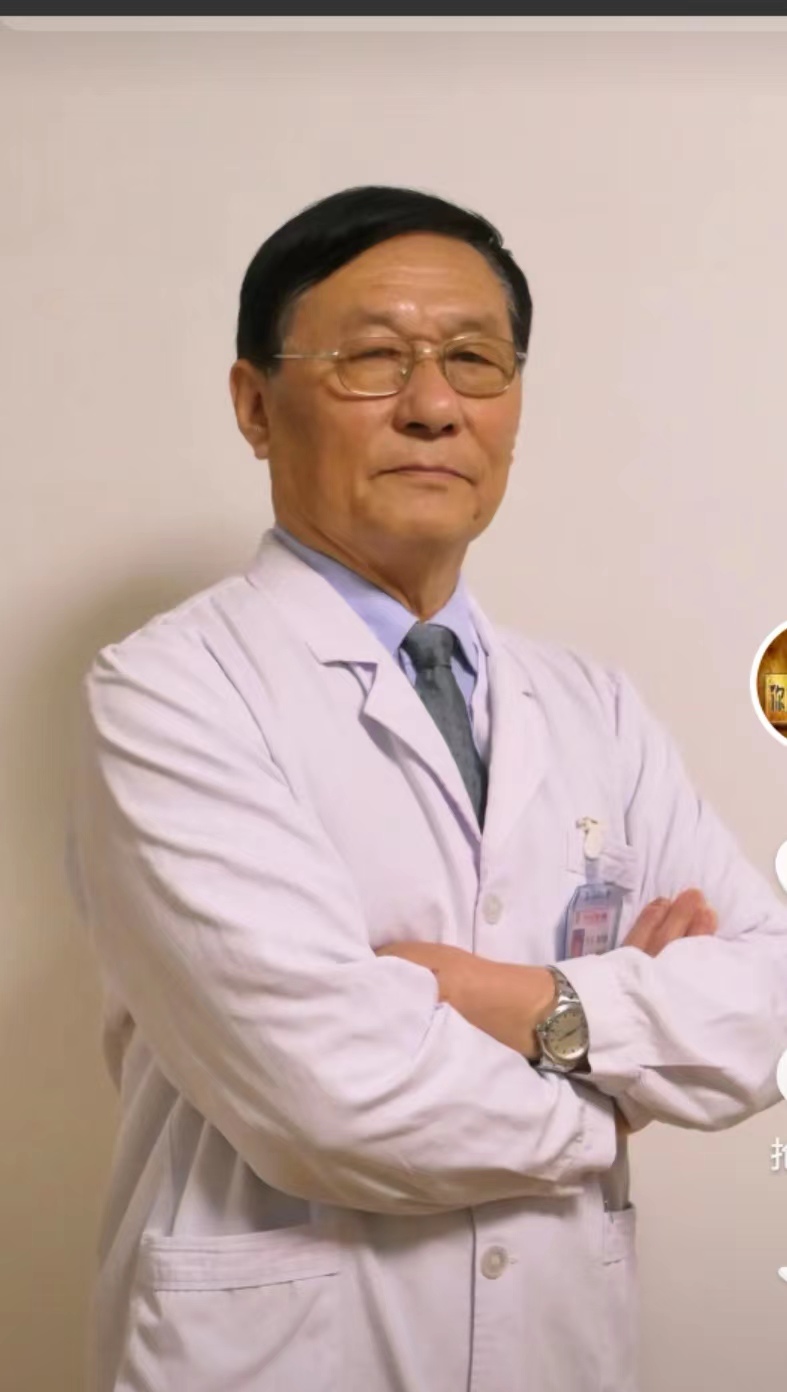
Dr. Guan Yanlei
Introduction
Patients with blurred vision after craniotomy should develop good eye-use habits and maintain proper sitting posture. After using the eyes, they can look into the distance or perform eye exercises to relieve eye fatigue. Physical therapies such as acupuncture may also be beneficial, as they can promote brain development and rest, and aid in regaining consciousness. Under a doctor's guidance, medications that improve microcirculation can be used in combination with neurotrophic agents.
Blurred vision after craniotomy can usually be managed with general treatment, physical therapy, or medication.
1. General Treatment
Patients experiencing blurred vision after craniotomy should develop good eye-use habits, avoid staying up late, refrain from using their eyes under excessively bright or dim lighting, and maintain proper sitting posture. After using their eyes, they can look into the distance or perform eye exercises to relieve eye fatigue. Additionally, they should reduce the amount of time spent on electronic devices such as televisions and smartphones. Diet-wise, they may consume foods that support liver health and improve vision, such as blueberries, goji berries, and carrots.
2. Physical Therapy
Patients may also undergo physical therapies such as acupuncture, which can promote brain development and rest, aid in regaining consciousness, and help maintain alertness.
3. Medication
For blurred vision following craniotomy, patients may take medications that improve microcirculation under a doctor's guidance. Commonly used drugs include betahistine and nimodipine. These may be combined with neurotrophic agents such as methylcobalamin and vitamin B1.