


What should I do if I have a skin allergy after drinking alcohol?
Sep 13, 2022
Source: Cainiu Health

Dr. Liu Wan
Introduction
First, stop drinking alcohol immediately. Second, administer antiallergic medications promptly, such as cetirizine or loratadine. For more severe cases, intravenous injection of calcium gluconate solution, dexamethasone solution, etc., may be given. If extremely serious symptoms such as coma occur, call 120 immediately and send the patient to the hospital for active emergency treatment. Third, alcohol and any alcohol-containing preparations should be strictly avoided in the future.
Some people who drink alcohol regularly often experience skin allergies. What should be done if you develop a skin allergy after drinking?
What to do about skin allergies caused by drinking alcohol
First, stop drinking immediately. Second, take antiallergic medications promptly, such as cetirizine or loratadine. For more severe symptoms, intravenous injection of calcium gluconate solution or dexamethasone injection may be administered. If extremely serious symptoms such as unconsciousness occur, call 120 immediately and go to the hospital for emergency treatment. Third, avoid all alcoholic beverages and alcohol-containing products in the future.

Alcohol allergy is mainly due to a lack of aldehyde dehydrogenase in the body. Alcohol, or ethanol, is converted into acetaldehyde in the body. Because of insufficient aldehyde dehydrogenase, acetaldehyde cannot be further converted into acetic acid and eliminated from the body. This leads to acetaldehyde poisoning, causing various allergic symptoms. People who can tolerate large amounts of alcohol usually have sufficient levels of this enzyme, allowing rapid metabolism and preventing intoxication symptoms. Alcohol allergy is primarily an allergic reaction.
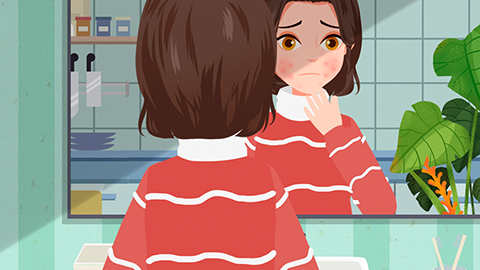
Patients with skin allergies should avoid alcohol in the future. Maintain a light and easily digestible diet, and try to avoid allergenic or irritating foods such as seafood, chili peppers, eggs, and other triggering foods. Eat more fresh vegetables and fruits rich in vitamins. Engage in appropriate physical exercise to enhance your body's resistance and immunity. We hope this answer helps you. Wishing you good health and happiness.





