Can you get pneumonia without having a fever?
Sep 13, 2022
Source: Cainiu Health

Dr. Guo Xiheng
Introduction
It is possible for patients to have pneumonia without fever or cough. It is best to first visit a hospital for auscultation and a chest CT scan to confirm the diagnosis. Once diagnosed with pneumonia, treatment with anti-infective medications can be initiated under a doctor's guidance. This condition is primarily caused by bacterial or viral infections, although mycoplasma infection cannot be ruled out.
Pneumonia is a common disease. There are many causes of pneumonia, such as viral infections, bacterial infections, mycoplasma infections, and others. Clinical symptoms of pneumonia include coughing, asthma, sputum production, and fever. Some patients use fever as the main criterion to determine whether they have pneumonia, believing that if there's no fever, they cannot have pneumonia. But can you get pneumonia without a fever?
Can You Get Pneumonia Without a Fever?
It is possible for patients to have pneumonia without fever or even cough. It is best to first visit a hospital for auscultation and examination, combined with a chest CT scan to confirm diagnosis. Once diagnosed with pneumonia, anti-infective medications can be used under a doctor's guidance. This condition is mainly caused by bacterial or viral infections, although mycoplasma infection cannot be ruled out. During treatment, dietary adjustments should be made to promote faster recovery. Consuming an appropriate amount of stewed pear with rock sugar may also assist in the patient’s recovery.
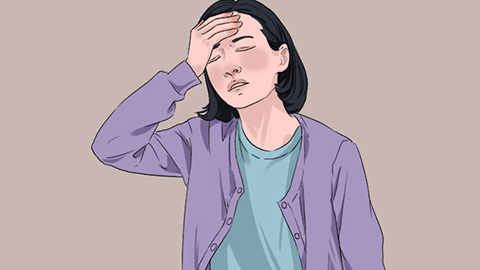
You can develop pneumonia even without a fever. Not all pneumonia patients experience fever; some mild cases may only present with cough and sputum production, sometimes producing yellow, purulent phlegm. Lung auscultation may reveal distinct wet rales and phlegm sounds, which help confirm the diagnosis. If a patient shows clinical signs such as recurrent fever, nausea, vomiting, severe cough accompanied by chest pain, the condition is likely more serious. Hospitalization may be necessary, especially in cases of severe pneumonia where patients experience difficulty breathing. In cases of respiratory failure, immediate oxygen therapy is required, and vital signs must be closely monitored.
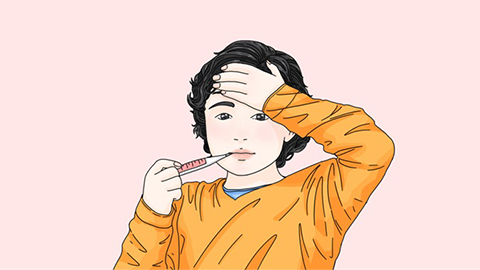
Patients are advised to maintain good personal hygiene and healthy lifestyle habits. We hope this answer has been helpful. Wishing you good health and happiness.