


What tests are needed if gout is suspected?
Sep 13, 2022
Source: Cainiu Health

Dr. Liu Aihua
Introduction
To evaluate and confirm gout, joint aspiration and polarized light microscopy are required to detect monosodium urate crystals. According to guidelines, for every patient with suspected gout, crystal identification in synovial fluid or aspiration of a suspected tophus should be performed. Without such testing, a diagnosis based solely on symptoms can only be considered a clinical diagnosis of gout.
Recently, I've constantly noticed redness, swelling, and pain in my knee joint, even though I haven't done any strenuous work. I suspect a gout attack. What tests should be done if gout is suspected?
What tests are needed if gout is suspected?
To examine and confirm gout, joint aspiration and polarized light microscopy should be performed to detect monosodium urate crystals. According to clinical guidelines, every patient with suspected gout should undergo crystal identification in synovial fluid or aspiration of a suspected tophus. Without this test, a diagnosis based solely on symptoms can only be considered a clinical diagnosis of gout.
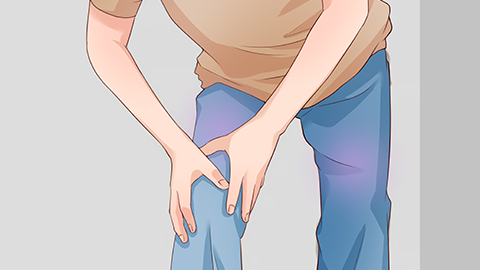
Patients with gout often present with monoarthritis affecting the foot or ankle joints, especially the first metatarsophalangeal joint, characterized by redness, swelling, heat, and pain in the joint. Acute arthritis with similar symptoms in the past, sudden onset of joint swelling and pain within 24 hours, or male patients with cardiovascular disease or hyperuricemia should raise suspicion for gout. All gout patients should be screened for risk factors of chronic hyperuricemia, and evaluated for any conditions that may contribute to elevated uric acid levels.

In addition, a systematic assessment of comorbidities in gout patients is necessary, including obesity, hypertension, heart failure, diabetes, and hyperlipidemia. Gout is a chronic metabolic disorder caused by impaired purine metabolism leading to increased uric acid levels. Once elevated serum uric acid is detected, uric acid-lowering medications should be initiated. As long as hyperuricemia is well controlled, gout attacks can be prevented. We hope this answer helps you. Wishing you good health and happiness!




