


Normal range for fasting insulin
Sep 13, 2022
Source: Cainiu Health

Dr. Pan Yongyuan
Introduction
The normal range for fasting insulin is 2.6–25 IU/ml. A low fasting insulin level indicates poor pancreatic function and reflects the state of pancreatic function when exogenous insulin is not being used. Elevated fasting insulin levels in the absence of exogenous insulin use are commonly seen in obese patients who have insulin insensitivity.
Insulin is a hormone secreted by the pancreatic islets that plays a key role in regulating carbohydrate metabolism and maintaining blood glucose concentration levels. It is the only hormone in the human body with blood glucose-lowering effects. Insulin deficiency can lead to elevated blood glucose levels and various complications. So, what is the normal reference range for fasting insulin?
Normal Range for Fasting Insulin
The normal range for fasting insulin is generally considered to be 2.6–25 μIU/mL. However, individual levels may vary, and reference ranges can differ slightly among hospitals. If fasting insulin levels are low—such as below 2 μIU/mL, or even just fractions of that value—it indicates poor pancreatic islet function and reflects the state of endogenous insulin production in the absence of exogenous insulin use. On the other hand, elevated fasting insulin levels above 25–30 μIU/mL, without the use of exogenous insulin, are commonly seen in obese patients who exhibit insulin insensitivity. This condition often resembles hyperinsulinemia and is typically observed in individuals who are obese or have impaired glucose metabolism, such as those in the early stages of impaired glucose tolerance (IGT).
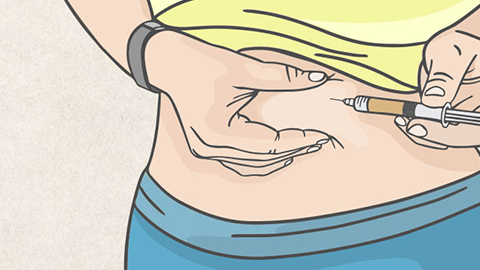
When insulin insensitivity is caused by obesity, the body must secrete more insulin to compensate for abnormal glucose metabolism. Due to reduced metabolic sensitivity, insulin secretion exceeds baseline levels. Generally, higher fasting insulin levels suggest the presence of insulin resistance, particularly in obese individuals. After weight loss, insulin sensitivity improves and insulin levels typically decrease.
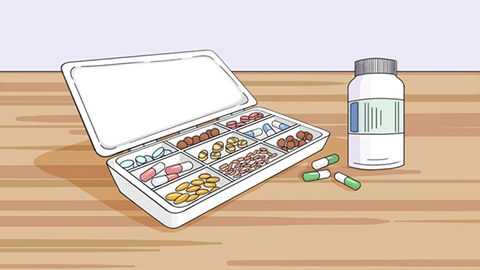
It is recommended to maintain a balanced diet and seek timely medical treatment if abnormalities are detected. We hope this information is helpful to you. Wishing you good health and happiness!








