


Can you drink alcohol if you have gastroenteritis?
Sep 13, 2022
Source: Cainiu Health

Dr. Zhao Haiming
Introduction
Patients with gastroenteritis should not consume alcohol. If a patient exhibits clear symptoms of gastroenteritis, it indicates varying degrees of damage to the gastrointestinal mucosa. Alcohol is particularly irritating to the gastrointestinal tract and may worsen the symptoms of gastroenteritis. Alcohol itself strongly irritates the gastrointestinal mucosa and can sometimes lead to acute mucosal lesions or even gastrointestinal bleeding. Therefore, drinking alcohol during acute gastroenteritis
In daily life, quite a number of people actually suffer from gastroenteritis, a condition that could potentially be life-threatening at any moment. Therefore, diet in everyday life is extremely important. So, can you drink alcohol if you have gastroenteritis?
Can You Drink Alcohol with Gastroenteritis?
Patients with gastroenteritis must not consume alcohol. If a patient exhibits clear symptoms of gastroenteritis, it indicates that the gastrointestinal mucosa has sustained damage to varying degrees. Alcohol is highly irritating to the gastrointestinal tract and may worsen the symptoms of gastroenteritis. Alcohol itself strongly irritates the gastrointestinal mucosa and can sometimes lead to acute gastric mucosal lesions or even gastrointestinal bleeding. Therefore, drinking alcohol during acute gastroenteritis may exacerbate the condition, leading to severe dehydration or even shock. Alcohol increases sympathetic nervous system activity, which may trigger peripheral circulatory failure. If a patient already has gastroenteritis, a further rise in heart rate due to alcohol could impair peripheral blood circulation, which is highly detrimental to recovery.
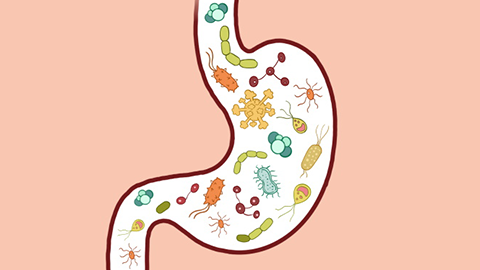
If a gastroenteritis patient is in the acute phase, they should consume liquid and light, easily digestible foods such as rice soup or noodle broth. If the patient experiences mild discomfort or is in the recovery phase, semi-liquid foods like plain porridge may be appropriate. Once diarrhea has stopped or when the patient is recovering, normal diet can gradually be resumed. Clinically, since the causes of gastroenteritis vary among patients, food and medication choices should be tailored according to individual conditions. If the gastroenteritis is caused by infection, anti-infective treatment will be necessary.

If symptoms of illness are noticed in daily life, prompt medical attention is essential to prevent worsening of the condition. We hope this information is helpful to you. Wishing you good health and happiness.




