


Can gastrointestinal bleeding cause coughing up blood?
Sep 13, 2022
Source: Cainiu Health

Dr. Zhao Haiming
Introduction
Patients with gastric bleeding do not cough up blood. Under normal circumstances, patients may vomit blood and have black, tarry stools. If the bleeding is mild, there might be no vomiting of blood or black stools, and symptoms may be limited to upper abdominal pain. However, once a patient notices even a small amount of blood in the stool, they should promptly visit the gastroenterology department at a hospital for evaluation and receive standardized treatment. But if the patient has symptoms of hemoptysis (coughing up blood),...
Many people say they don't know the difference between coughing up blood and vomiting blood. In fact, although both involve obvious bleeding, there are clear distinctions. Therefore, in daily life, we should pay attention to these differences and understand them properly—can stomach bleeding cause coughing up of blood?
Can stomach bleeding cause coughing up of blood?
Patients with stomach bleeding do not cough up blood. Under normal circumstances, such patients may vomit blood and pass black, tarry stools. If the bleeding is mild, they might not vomit blood or have black stools at all, and the only symptom could be upper abdominal pain. However, once a patient notices even a small amount of blood in their stool, they should promptly visit the gastroenterology department of a hospital for examination and standardized treatment. On the other hand, if a patient experiences hemoptysis (coughing up blood), it is likely due to conditions such as bronchitis or pharyngitis, and they are advised to seek timely treatment in the appropriate medical specialty.
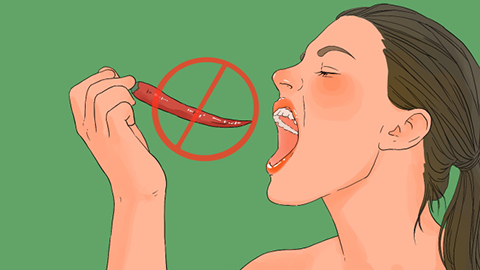
During the bleeding phase, patients with stomach hemorrhage should not eat anything. During recovery, they may consume light soups such as bone broth or chicken soup, and mushroom soups made with Hericium erinaceus (monkey head mushroom) are also suitable. These soups should be as bland as possible to benefit the gastrointestinal tract. It is recommended that patients avoid spicy and irritating foods such as chili peppers, ginger, and onions to prevent gastrointestinal irritation. Meals should be taken regularly and in controlled portions, with smaller, more frequent meals being ideal. Additionally, patients should receive timely medical treatment and avoid delays that could lead to worsening of the condition.
Once symptoms of stomach bleeding appear, it's important to promptly identify the underlying cause and initiate active treatment as soon as possible to effectively control the condition and prevent deterioration. We hope this answer has been helpful to you. Wishing you good health and a happy life.


