


What causes bone spurs (osteophytes)?
Sep 13, 2022
Source: Cainiu Health

Dr. Lin Yunfei
Introduction
Bone spurs are primarily caused by long-term poor posture or repetitive movements over time. In middle-aged and elderly individuals, degenerative changes in bones and joints can also lead to bone spurs. As injured areas gradually heal, the affected bones may develop excess growth. Bone spurs, also known as osteophytes, are part of the natural aging process of the skeletal system and are typically associated with advancing age.
Osteophyte formation, commonly known as bone spurs, is a chronic joint condition frequently seen in middle-aged and elderly individuals. Osteophytes can cause local redness, swelling, and pain, leading to movement disorders that significantly impact patients' daily lives. So, what causes osteophyte formation?
What Causes Osteophyte Formation?
Osteophyte formation is primarily caused by prolonged poor posture or repetitive motions over time. Degenerative changes in bones and joints among middle-aged and elderly people can also lead to osteophyte development. As injured areas gradually heal, the bone may grow excessively, forming spurs—also referred to as osteophytes. This process is part of the skeletal system's natural aging and is usually associated with increasing age. Contributing factors may include aging, physical conditions, trauma, and other health issues. Lumbar spinal osteophytes often cause pain and discomfort, although some individuals may show no obvious symptoms.
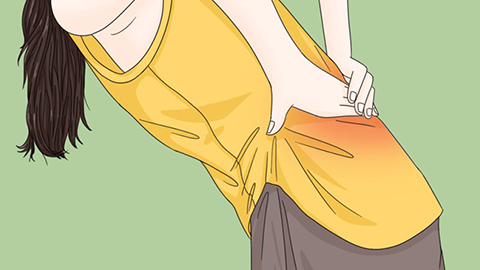
Osteophyte formation, or bone spurs, cannot currently be cured with medical technology. However, this condition is not life-threatening; it mainly causes patients discomfort such as numbness and pain, making it a distressing ailment. Contributing factors include aging, bodily conditions, and trauma. As people age, the likelihood of developing osteophytes increases. It predominantly affects middle-aged and older adults over 40, with prevalence rising with age—representing a natural sign of human aging. Osteophyte formation mainly results from frequent joint wear and tear, leading to joint instability. Trauma—such as falls or sprains—that is neglected, improperly treated, or left untreated over time can also contribute to the development of bone spurs.
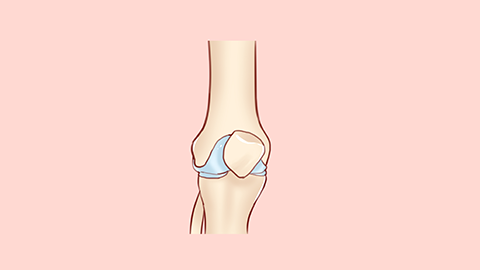
Patients are advised to maintain healthy lifestyle habits, follow a light diet, stay in good spirits, and drink more milk. We hope this information is helpful. Wishing you good health and happiness!





