


Can cupping therapy be used for a sprained ankle?
Sep 30, 2022
Source: Cainiu Health

Dr. He Haochen
Introduction
An ankle sprain is an acute injury, and cupping is generally not recommended during the early acute phase when the injury has just occurred. Cupping may be considered during the non-acute phase. It should be noted that regardless of whether it is the acute phase or not, cupping therapy should be avoided if there is skin breakage or infection, and strenuous activity should also be avoided. Individuals with severe symptoms should seek timely medical care for proper treatment.
When an ankle is sprained, cupping therapy is generally not recommended during the acute phase, especially if the injury has just occurred. Cupping may be considered once the condition has passed the acute stage. Individuals with severe symptoms should seek timely medical treatment for proper management. The analysis is as follows:
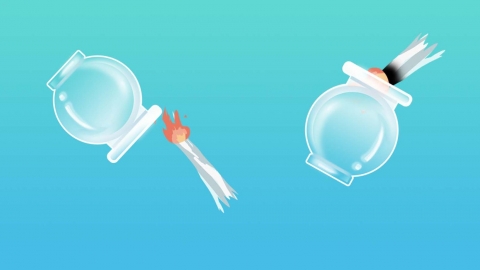
Cupping creates negative pressure locally, and applying it after an ankle sprain may worsen local bleeding and swelling. Therefore, cupping is not advised in the early stages of ankle sprains or when swelling is present, to avoid exacerbating hemorrhage and edema. Instead, patients should immobilize the affected area, elevate the injured limb, and apply cold compresses within the first 24 hours to promote vasoconstriction, reduce bleeding, and alleviate pain. After 24 hours, heat application can help promote absorption of inflammatory substances and relieve swelling.
Once symptoms have somewhat improved, cupping therapy may be introduced. It can effectively enhance local blood circulation and provide anti-inflammatory and analgesic effects. However, complete recovery from a foot sprain through cupping alone is difficult. After cupping treatment for a sprained ankle, avoid putting excessive strain on the foot and prolonged standing to prevent worsening of the condition. Elevate the ankle during sleep to facilitate better venous return.
After a sprain, adequate rest is essential. Avoid strenuous physical activity and maintain a light, nutritious diet. Refrain from consuming spicy or irritating foods such as barbecue or hot pot.




