What to eat after anal fistula surgery
Dec 29, 2022
Source: Cainiu Health

Dr. Li Mingchuan
Introduction
After anal fistula surgery, the diet should consist of easily digestible foods that facilitate bowel movements. It is advisable to eat light meals and consume more high-quality protein, vitamin C, and vitamin E. Proteins are essential components of the human body apart from bones. Vitamin C plays a key role in forming hemoglobin and is a major component of the skin. Vitamin E promotes better wound healing and reduces the likelihood of excessive scarring. Examples include milk, eggs, nuts, fresh fruits, and vegetables.
Due to individual differences in body constitution, people may easily consume spicy and stimulating foods in their diet, which can lead to internal heat ("fire"). If not treated promptly, this condition can worsen and even result in anal fistula symptoms, at which point surgery becomes necessary for treatment. What should one eat after anal fistula surgery?
What Should You Eat After Anal Fistula Surgery?
After anal fistula surgery, the diet should consist of easily digestible foods that promote smooth bowel movements. Meals should be light and rich in high-quality protein, vitamin C, and vitamin E. Protein is a key component of the human body aside from bones. Vitamin C plays an essential role in forming hemoglobin and maintaining healthy skin. Vitamin E aids wound healing and helps minimize scarring. Examples include milk, eggs, nuts, fresh fruits, and vegetables.
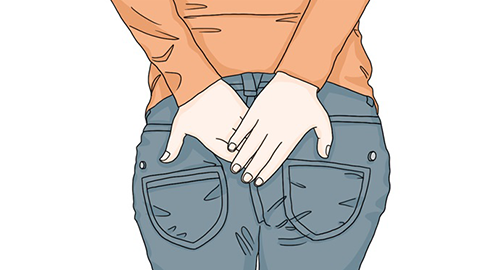
The best way to prevent anal fistula is to avoid constipation or episodes of diarrhea and other digestive issues. Preventing constipation and diarrhea is particularly important in protecting against perianal abscesses, as dry stools can injure the anal sinus. Combined with bacterial invasion, this damage can easily lead to infection. Most patients with diarrhea suffer from proctitis or sinusitis, which may progress into inflammatory conditions.

Postoperative urinary retention is a common complication following hemorrhoid surgery, so it's important to take preventive measures during routine care. This condition is more frequently observed in male patients who are nervous or anxious. Therefore, nurses should help patients stay relaxed and encourage them to drink plenty of water immediately after leaving the operating room. We hope this information is helpful to you. Wishing you good health and happiness!