


What to do about heartburn after eating corn
Mar 25, 2023
Source: Cainiu Health

Dr. Shen Yonghua
Introduction
Heartburn after eating corn may be caused by factors such as excessive consumption, improper eating methods, unsuitable food combinations, gastroesophageal reflux disease (GERD), or gastric ulcers. It is recommended to seek medical attention promptly, identify the underlying cause, and receive symptomatic treatment under the guidance of a qualified physician. If heartburn occurs when eating corn, it may help to eat a few soda crackers afterward, which can neutralize stomach acid and alleviate symptoms.
Eating corn may cause heartburn due to various factors such as excessive consumption, improper eating habits, unsuitable food combinations, gastroesophageal reflux disease (GERD), or gastric ulcers. Symptoms can be improved by adjusting diet and using medications. It is recommended to seek timely medical attention, identify the underlying cause, and receive appropriate treatment under the guidance of a healthcare professional.
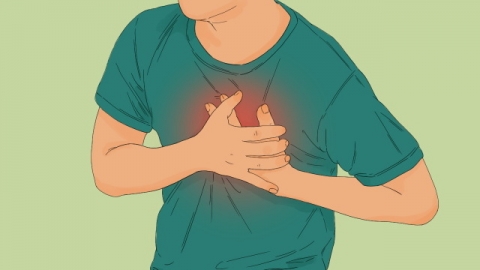
1. Excessive Consumption
Corn is a high-starch food rich in dietary fiber. Eating too much corn can increase gastric acid secretion, which may irritate the gastric mucosa and lead to heartburn. If heartburn occurs after eating corn, it is advisable to eat a few soda crackers afterward, as they help neutralize stomach acid and alleviate symptoms.
2. Improper Eating Habits
If corn is eaten too quickly without thorough chewing, large corn particles entering the stomach can increase the digestive burden. In such cases, gastric emptying time may be prolonged and gastric acid secretion increased, making acid reflux more likely and resulting in heartburn. It is recommended to chew slowly and thoroughly break down corn kernels before swallowing to reduce the stomach’s digestive load.
3. Unsuitable Food Combinations
Consuming large amounts of irritating foods—such as spicy or acidic foods—alongside corn can increase gastric acid production. These irritating foods may also impair the function of the lower esophageal sphincter (LES), causing it to relax and allowing stomach acid to reflux into the esophagus, leading to heartburn. Pay attention to food pairing and avoid consuming irritating foods at the same time as corn.
4. Gastroesophageal Reflux Disease (GERD)
Dysfunction of the lower esophageal sphincter allows stomach acid to flow back into the esophagus, causing heartburn. Eating corn may further stimulate gastric acid secretion or promote relaxation of the LES, thereby worsening reflux symptoms. Under a doctor's guidance, medications such as ranitidine capsules, hydrotalcite chewable tablets, or omeprazole enteric-coated capsules may be used to relieve symptoms.
5. Gastric Ulcer
When gastric mucosal ulcers are present, eating corn can increase gastric acid secretion, which then irritates the ulcer site and causes symptoms such as heartburn and pain. Additionally, the coarse texture of corn may cause physical irritation to the ulcer. Patients may follow medical advice to take medications such as bismuth potassium citrate capsules, sucralfate suspension, or colloidal bismuth pectin capsules to relieve discomfort.
It is recommended to adjust your diet appropriately, minimize intake of spicy, raw, cold, greasy, and oily foods, maintain a light diet, avoid hard-to-digest foods, and develop healthy lifestyle habits, including avoiding overexertion and staying up late.




