


Gastrointestinal spasm with diarrhea
Jun 05, 2023
Source: Cainiu Health

Dr. Shen Yonghua
Introduction
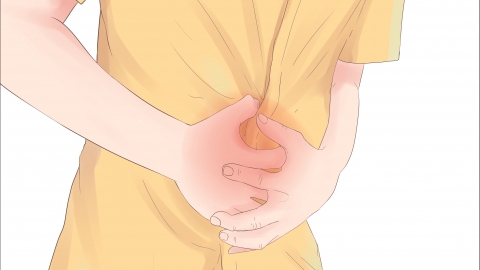
Diarrhea refers to loose stools. Gastrointestinal spasms and diarrhea may be caused by improper diet, abdominal cold exposure, psychological factors, acute gastroenteritis, irritable bowel syndrome, etc., and can be improved according to different situations. It is recommended to seek timely medical attention at a hospital and receive treatment under the guidance of a doctor. Adjust your diet by eating more light, easily digestible foods.
Diarrhea refers to loose or watery stools. Gastrointestinal spasms and diarrhea may be caused by improper diet, cold exposure to the abdomen, psychological factors, irritable bowel syndrome (IBS), acute gastroenteritis, and other conditions. Management should be tailored according to the specific cause. It is recommended to seek timely medical evaluation and treatment under the guidance of a healthcare professional.
1. Improper Diet
Consuming excessive raw or cold foods, spicy, greasy, or irritating foods, as well as overeating, can irritate the gastrointestinal mucosa, leading to increased intestinal motility, spasms, and subsequent diarrhea. Adjust your diet by eating bland, easily digestible foods such as rice porridge and noodles. Maintain regular meal times, avoid binge eating, and opt for smaller, more frequent meals.
2. Abdominal Cold Exposure
Exposing the abdomen during sleep or wearing insufficient or thin clothing can lead to chilling of the abdominal area, causing the gastrointestinal tract to be stimulated by cold, resulting in gastrointestinal spasms and diarrhea. Keep the abdomen warm by dressing appropriately according to weather changes, covering up well during sleep, and avoiding cold exposure. Applying a warm compress to the abdomen may also help relieve gastrointestinal spasms.
3. Psychological Factors
Chronic stress, anxiety, and excessive pressure can affect the nervous system, leading to gastrointestinal dysfunction and symptoms such as gastrointestinal spasms and diarrhea. Alleviate mental stress through appropriate methods such as exercise, listening to music, or traveling. Relaxation techniques like deep breathing, meditation, and yoga may also help regulate mood and maintain emotional well-being.
4. Irritable Bowel Syndrome (IBS)
This condition may be related to abnormal gastrointestinal motility, prior intestinal infections, and other factors. Common symptoms include gastrointestinal spasms, diarrhea, or constipation, which often worsen during periods of stress or emotional fluctuations. Patients may take medications such as lactasin tablets, smectite powder, or live *Bacillus licheniformis* granules as directed by a physician to relieve symptoms.
5. Acute Gastroenteritis
This is primarily caused by infection of the gastrointestinal tract with pathogens such as bacteria or viruses—often due to consuming contaminated food or water—leading to inflammation of the gastrointestinal mucosa. Symptoms include gastrointestinal spasms, diarrhea, nausea, vomiting, and abdominal pain. It is recommended to take medications such as smectite powder, norfloxacin capsules, or quadruple-strain bifidobacterium tablets under medical supervision to alleviate symptoms.
In daily life, maintain a light diet and avoid spicy or irritating foods such as garlic, hot pot, and mustard. Ensure adequate rest and avoid excessive fatigue to support overall health.





