


What should I do if one eye cannot open after craniotomy?
Sep 26, 2023
Source: Cainiu Health
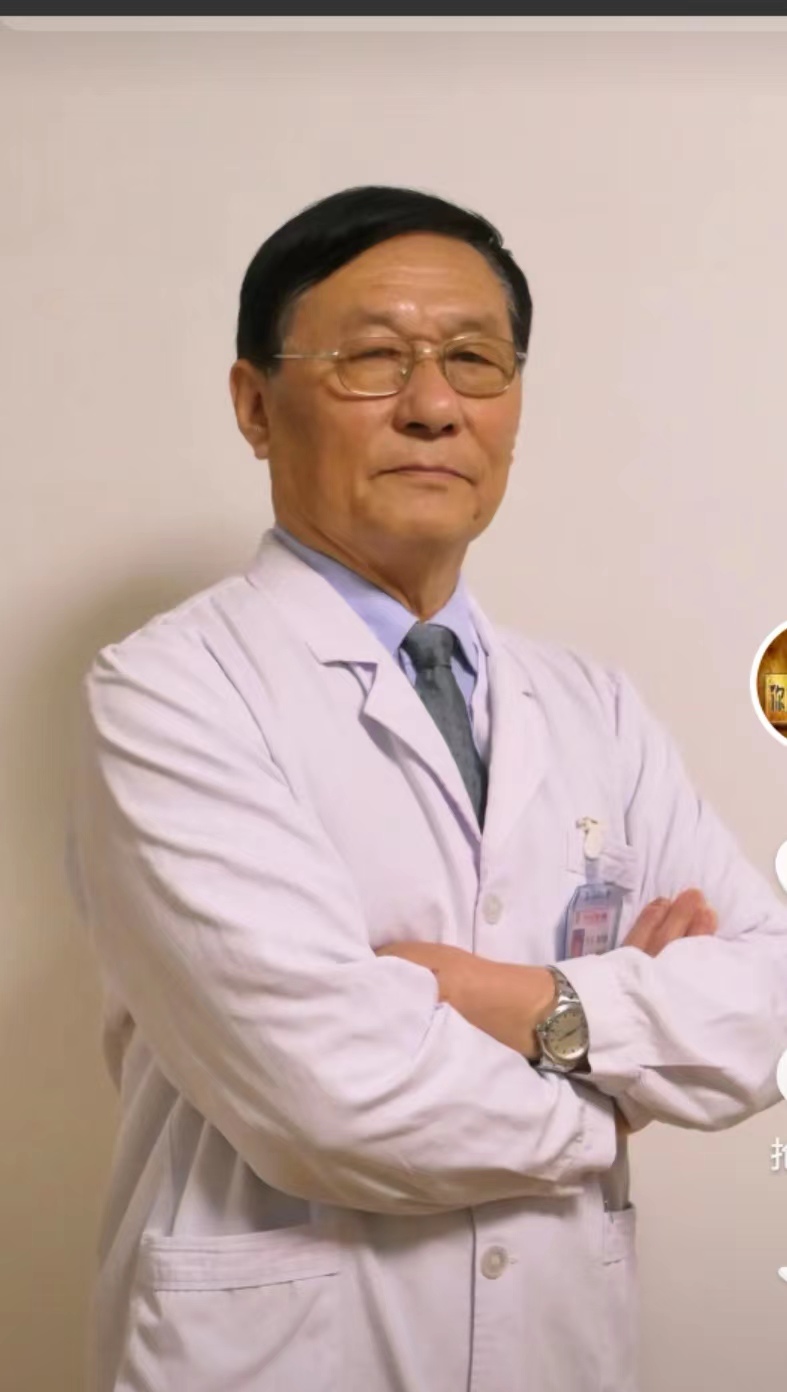
Dr. Huang Shichang
Introduction
In general, one eye being unable to open after craniotomy may be related to factors such as residual anesthesia, nerve damage, facial edema, trauma, or inflammatory infection. It is recommended to take targeted measures accordingly. Craniotomy may cause damage to relevant nerves, leading to the inability to open the eye. Patients are advised to promptly return to a正规 hospital for follow-up evaluation and receive appropriate treatment.
Generally, one eye being unable to open after craniotomy may be related to residual anesthesia, nerve damage, facial edema, trauma, or inflammatory infection. It is recommended to take targeted measures accordingly. Specific analyses are as follows:
1. Residual Anesthesia
Anesthetic agents require a certain amount of time to be fully metabolized in the body. During this recovery period, patients may experience drowsiness, which can result in difficulty opening the eyes. In such cases, it is recommended that patients rest adequately and maintain sufficient sleep. Symptoms typically resolve once the anesthetic has been completely metabolized, so there is no need for excessive concern.
2. Nerve Damage
Craniotomy may cause damage to relevant nerves, leading to the inability to open the eye. Patients are advised to return to a reputable hospital for follow-up evaluation and, under medical guidance, use medications such as mecobalamin tablets or vitamin B1 tablets to aid recovery.

3. Facial Edema
During craniotomy, brain tissue may be affected, resulting in facial swelling. This swelling can compress the skin around the eyes, making it difficult to open them. If the edema is mild, it usually resolves spontaneously within 7–10 days. For more severe cases, treatment may include intravenous administration of mannitol injection, furosemide injection, or torasemide injection, as directed by a physician.
4. Trauma
Injuries such as damage to the ocular muscles, eyelid trauma, or injury to the eyeball itself may also cause difficulty opening the eye. Patients should seek prompt medical evaluation so that doctors can provide appropriate treatment based on diagnostic findings.
5. Inflammatory Infection
Poor dietary habits following skull repair surgery may lead to wound site infections, affecting the ocular nerves and causing the eye to remain closed. Under medical supervision, patients may take antibiotics such as azithromycin capsules or roxithromycin capsules. It is advisable to maintain a light diet, avoid spicy and irritating foods, and abstain from smoking and alcohol consumption.
Patients are encouraged to seek timely medical attention when experiencing discomfort and to undergo standardized treatment under professional guidance, which facilitates recovery.





