What is the levator palpebrae superioris muscle, and what should be done about it?
Sep 11, 2024
Source: Cainiu Health

Dr. Han Xuefeng
Introduction
In general, ptosis correction surgery usually involves removing a portion of the orbicularis oculi muscle from the eyelid area to improve drooping of the upper eyelid. Surgical methods include simple levator palpebrae superioris muscle suspension suturing, levator folding suspension, frontalis muscle flap substitution for the levator muscle, levator resection, and fascia lata sling suspension. It is recommended to visit a正规 hospital and choose the most suitable method under the guidance of a physician.
In general, ptosis correction surgery often involves removing a portion of the orbicularis oculi muscle from the eyelid area to improve upper eyelid drooping. Common surgical methods include simple levator palpebrae superioris suspension suturing, frontalis muscle flap substitution for the levator palpebrae superioris, levator shortening surgery, and fascia lata sling suspension.
Procedure Name |
Simple Levator Palpebrae Superioris Suspension Suturing |
Frontalis Muscle Flap Substitution for Levator Palpebrae Superioris |
Levator Palpebrae Superioris Shortening Surgery |
Fascia Lata Sling Suspension |
Image Example |
|
|
|
|
Procedure Overview |
Suturing at an appropriate site on the levator palpebrae superioris muscle |
Dissecting the muscle above the eyebrow and suturing it to the levator palpebrae superioris to use frontalis muscle strength to elevate the upper eyelid |
Shortening the length of the levator palpebrae superioris muscle surgically to increase its contractile strength |
Using a fascia lata strip as a suspension material, fixed to the frontal bone or supraorbital rim |
Target Population |
Young children with transient levator muscle laxity or mild ptosis |
Individuals with complete loss or severe weakness of levator function |
Individuals with partial but insufficient levator function |
Individuals with ptosis accompanied by inadequate frontalis muscle strength |
Advantages |
1. Minimal trauma |
1. Long-lasting results |
1. Effective results |
1. Stable and reliable |
Duration of Effect |
2–5 years |
5–10 years |
10–20 years |
3–5 years |
Potential Risks |
1. Asymmetry between both sides |
1. Asymmetry between both sides |
1. Asymmetry between both sides |
1. Asymmetry between both sides |
Reference Price |
1,000–3,000 CNY per session |
12,000–20,000 CNY per session |
8,000–15,000 CNY per session |
15,000–25,000 CNY per session |
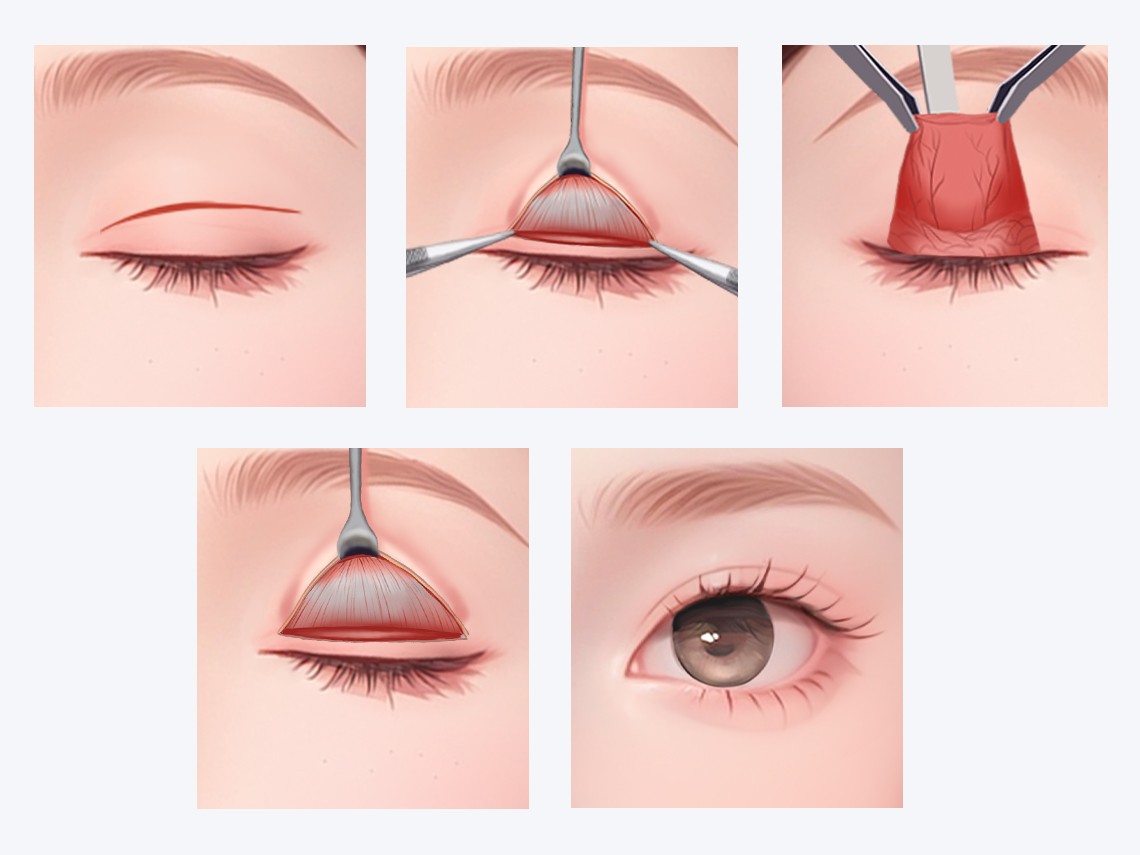
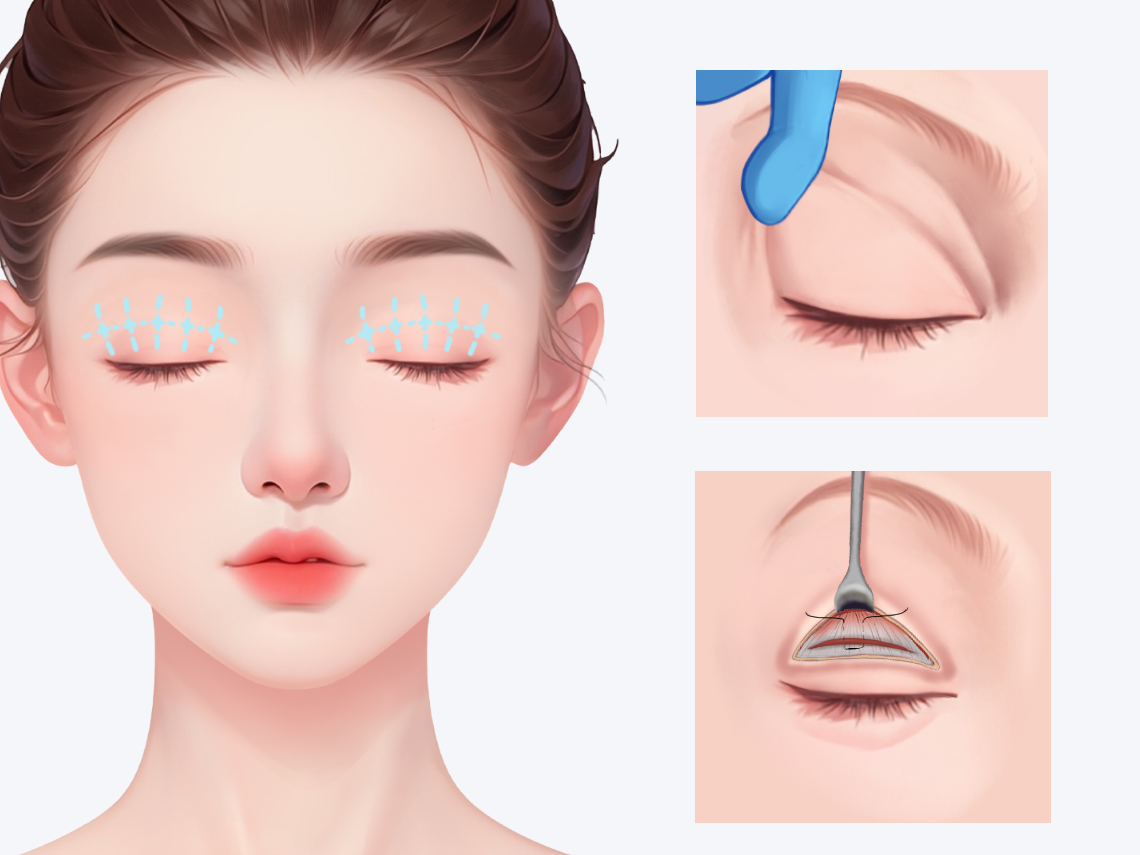
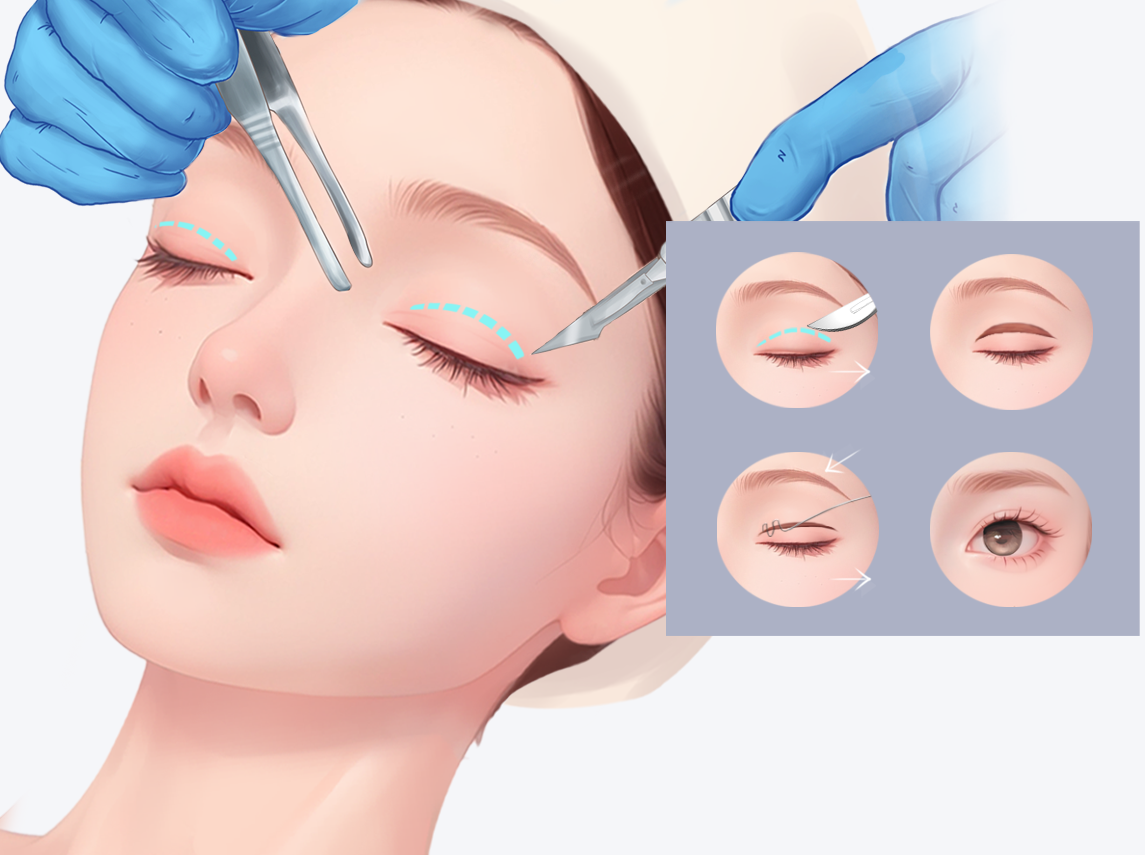
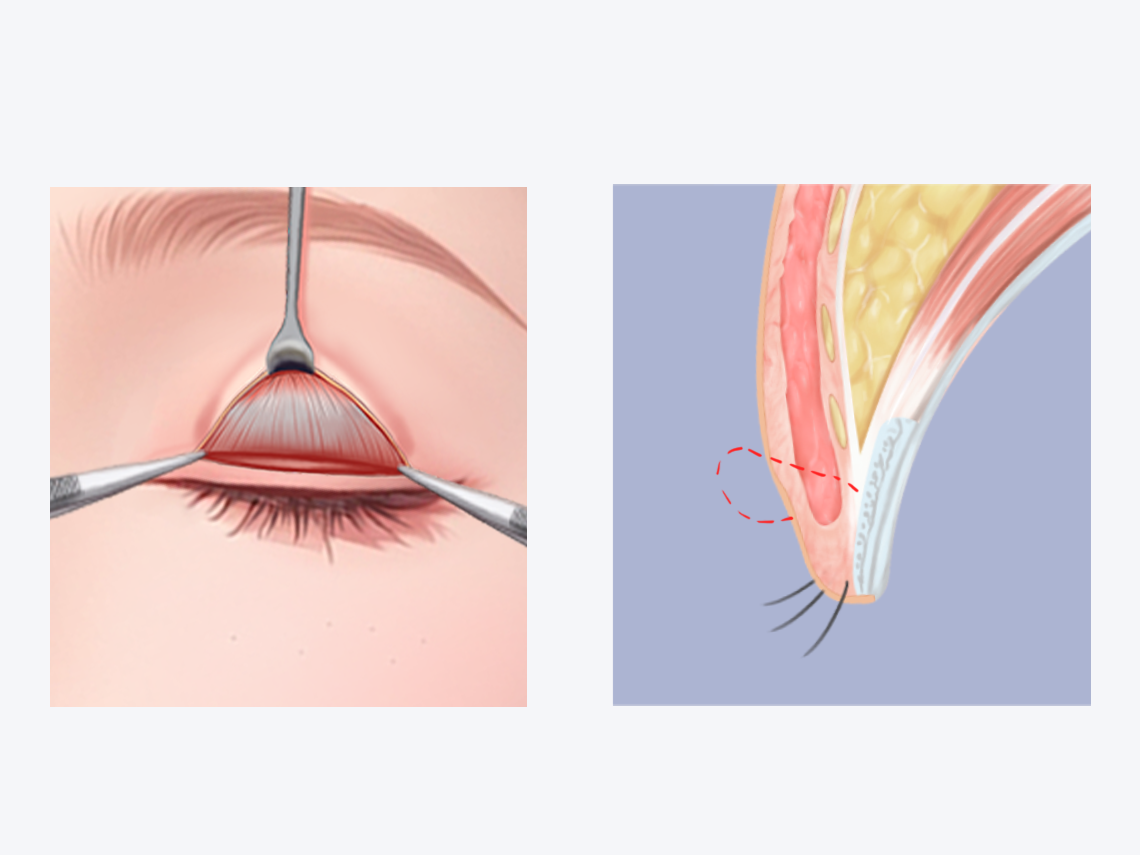
It is recommended to visit a reputable hospital and choose the most suitable method under professional medical advice. After surgery, keep the wound clean and dry to prevent infection. Avoid spicy and irritating foods, and consume adequate protein and vitamins to promote wound healing.