What Are the Effects and Functions of Albumin Injections?
Feb 08, 2021
Source: Cainiu Health

Dr. Yang Ziqi
Introduction
Human serum albumin (HSA) serves as a nitrogen source in the bloodstream, providing nutritional support to tissues. When nitrogen metabolism is impaired, intravenously administered HSA can be metabolized into amino acids to meet tissue nutritional requirements. Additionally, HSA administration helps correct hypoalbuminemia and improves the patient’s overall nutritional status. Furthermore, HSA infusion aids in maintaining fluid balance between the intravascular and extravascular compartments, thereby preventing edema formation.
Administering albumin injections—i.e., intravenous human serum albumin—may confer several therapeutic benefits and physiological effects, including nutritional supplementation, maintenance of plasma colloid osmotic pressure, detoxification and elimination of toxins, immune enhancement, and supportive therapy. A detailed analysis follows:
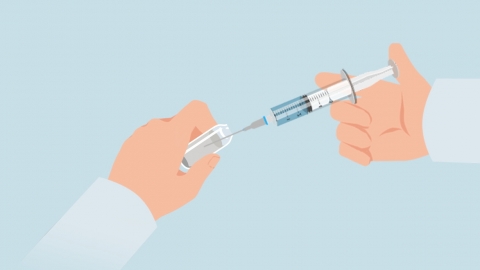
1. Nutritional supplementation: Human serum albumin serves as a nitrogen source in the bloodstream, providing essential nutrients to tissues. When nitrogen metabolism is impaired, exogenously administered albumin can be metabolized into amino acids to meet tissue nutritional demands. Additionally, albumin infusion helps correct hypoalbuminemia and thereby improves the patient’s overall nutritional status.
2. Maintenance of plasma colloid osmotic pressure: Albumin is the most abundant plasma protein, characterized by its relatively small molecular size, high solubility, and diverse physiological functions. It binds water molecules and thus plays a critical role in maintaining stable plasma colloid osmotic pressure. Albumin administration helps preserve fluid balance between intravascular and extravascular compartments, thereby preventing edema.
3. Detoxification and toxin elimination: Albumin binds numerous insoluble small molecules and inorganic ions, forming soluble complexes that function as transport proteins in the circulation. This binding capacity enables albumin to sequester and shuttle toxic substances to detoxifying organs—primarily the liver—for metabolism and excretion. Albumin infusion may therefore alleviate symptoms such as edema or ascites associated with liver cirrhosis or nephrotic syndrome.
4. Immune enhancement: Albumin is an integral component of the immune system and participates in both immune responses and inflammatory processes. Exogenous albumin administration can augment the activity of immune cells and strengthen systemic immunity, thereby helping prevent infections and disease progression.
5. Supportive therapy: In specific clinical scenarios—such as severe hemorrhage, extensive burns, or major trauma—albumin infusion increases circulating blood volume and sustains plasma colloid osmotic pressure, serving as an important adjunctive (supportive) therapy.
Human serum albumin injection is not universally indicated and is contraindicated in certain populations or clinical conditions. Prior to administration, appropriate laboratory assessments—including liver function tests and electrolyte panels—must be performed to rule out severe hepatic or renal impairment and other contraindications.