


Which department should I visit at the hospital for acne marks, pitted scars, and acne scars on my face?
Oct 13, 2024
Source: Cainiu Health

Dr. Liu Wenmin
Introduction
Facial acne marks, pitted scars, and acne scars can typically be treated by visiting the dermatology, medical aesthetics, or plastic surgery departments at a hospital. In daily life, it is recommended to keep the face clean by washing with a gentle facial cleanser twice a day—morning and evening—avoiding over-cleansing that may damage the skin barrier. This helps maintain skin moisture balance and promotes the skin's natural repair process.
Facial acne marks, acne pits, and scars can typically be treated by visiting the dermatology department, medical aesthetics department, or plastic surgery department at a hospital. In daily life, it is recommended to keep the face clean by washing with a gentle facial cleanser twice a day—morning and evening—while avoiding over-cleansing that may damage the skin barrier. This helps maintain the skin’s moisture balance and supports its natural repair process. Additionally, protective measures such as wearing wide-brimmed hats or using umbrellas are advised before going outdoors to prevent ultraviolet (UV) radiation from darkening acne marks, pits, and scars, which could hinder skin recovery. Alternatively, treatments such as chemical peels, hyaluronic acid fillers, dermabrasion, microneedling, and fractional laser therapy may be used under the guidance of a physician to treat acne marks, pits, and scars.
Analysis of Treatment Options for Improving Acne Marks, Pits, and Scars:
Treatment Name |
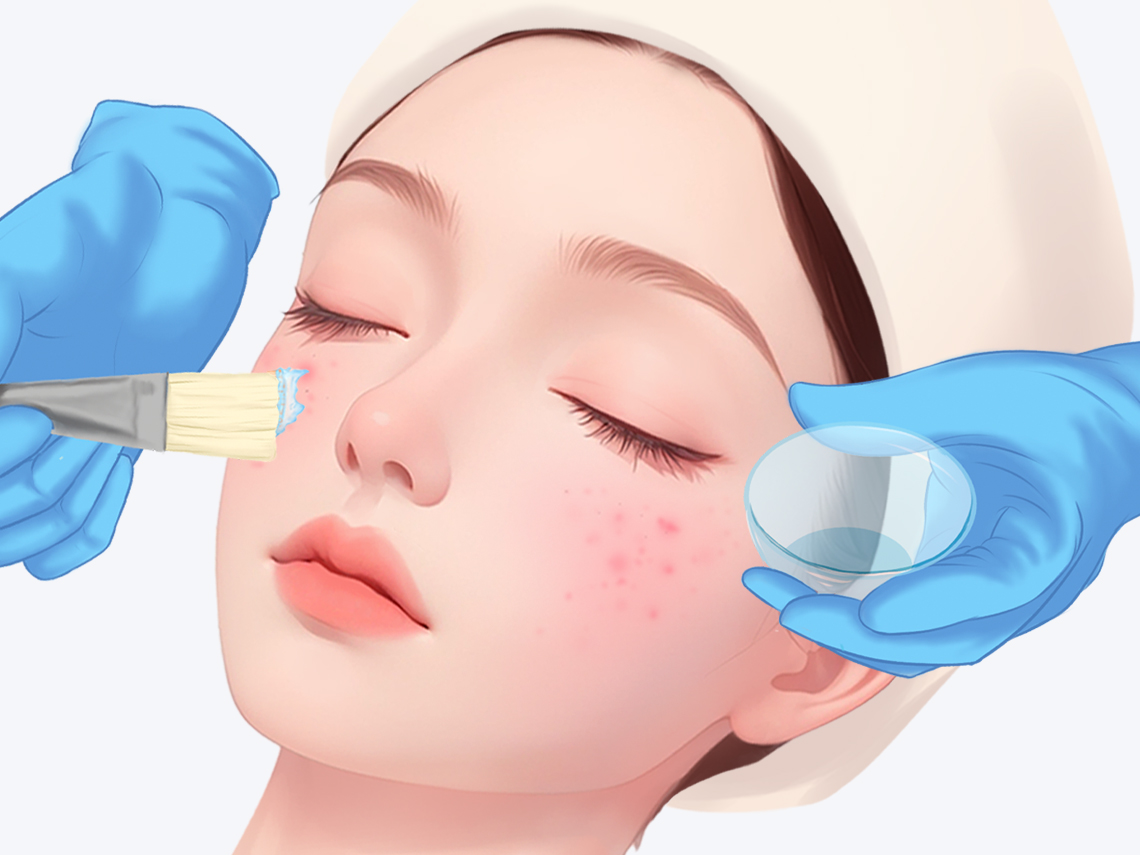
Chemical Peel |
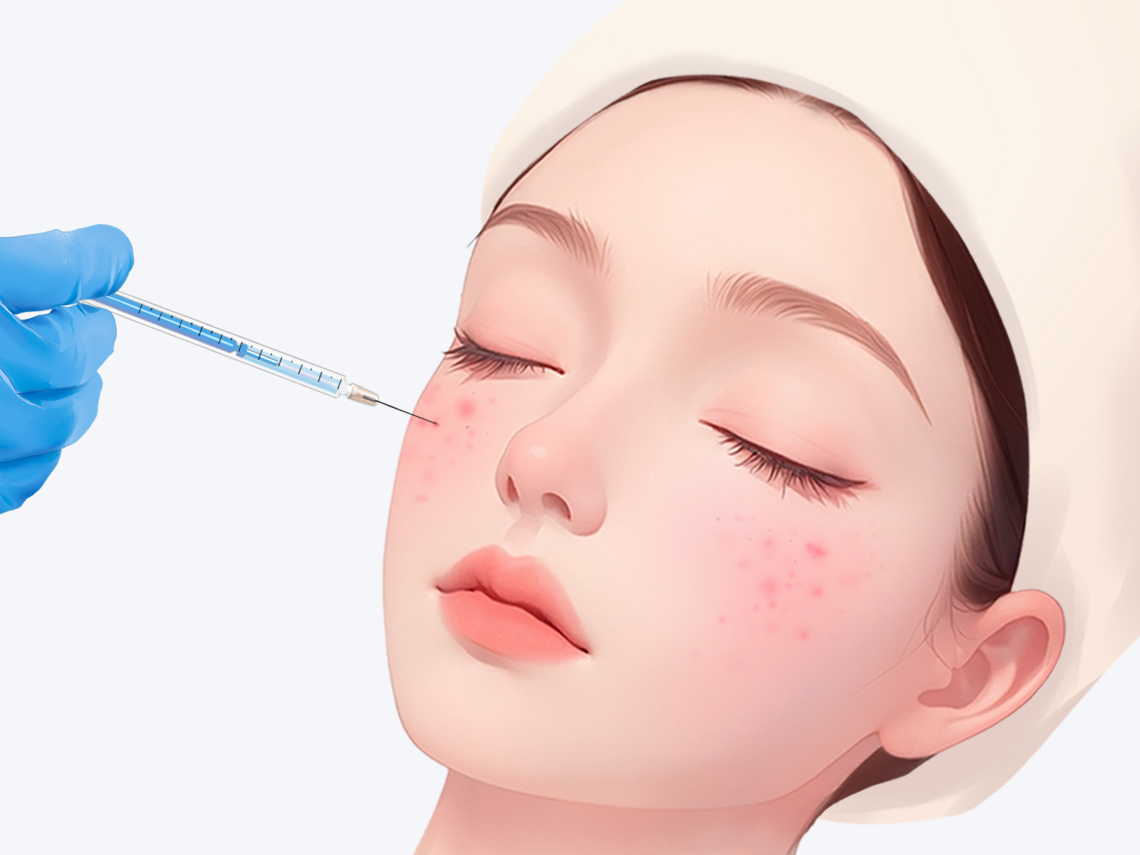
Hyaluronic Acid Filler |
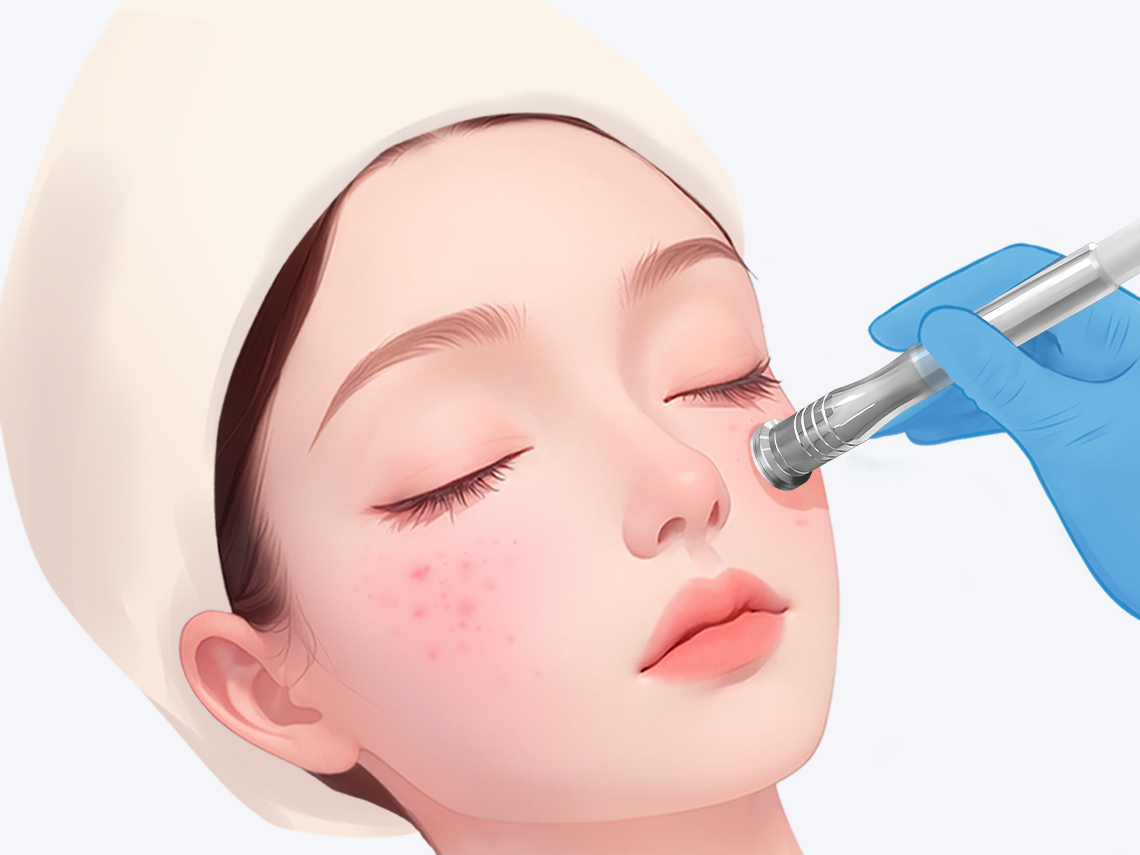
Dermabrasion |
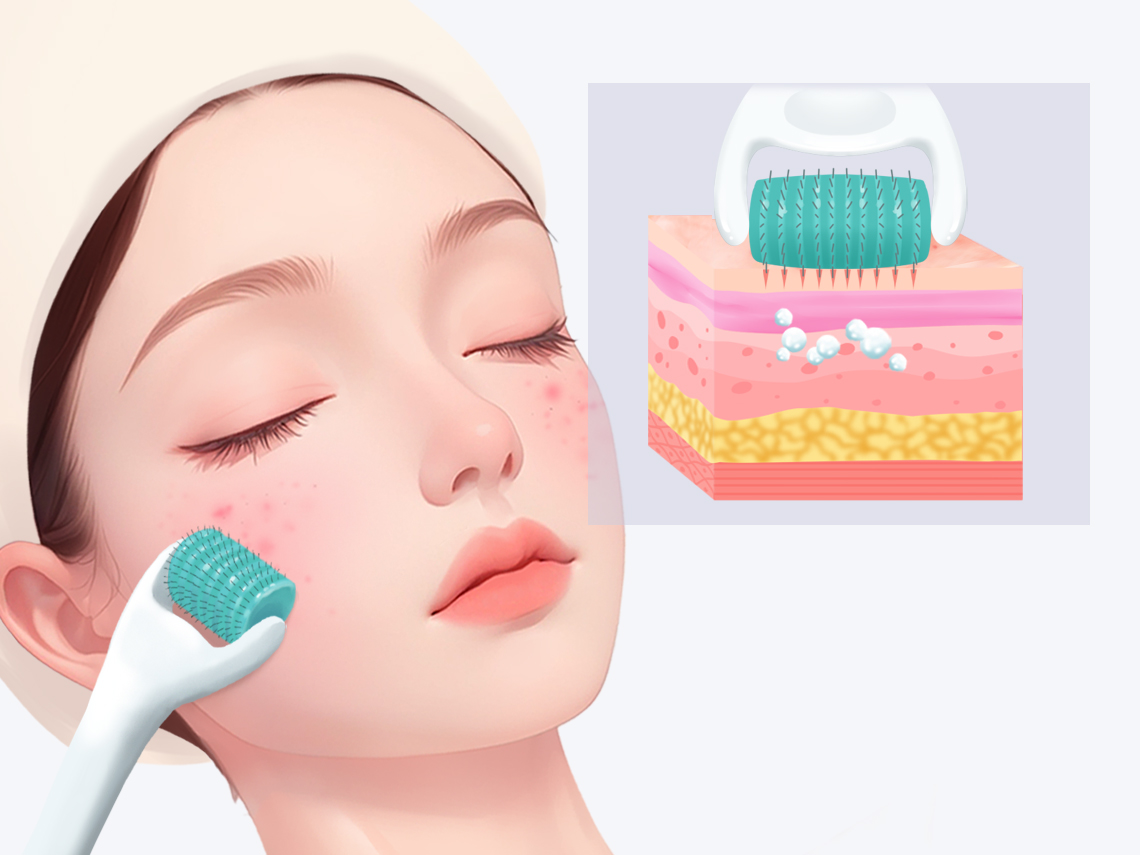
Microneedling |
Fractional Laser |
Image Example |
|
|
|
|
|
Principle |
Uses chemical agents such as alpha hydroxy acids, salicylic acid, or trichloroacetic acid to promote exfoliation of the epidermal stratum corneum and accelerate epidermal cell turnover. |
Injected into depressed areas caused by acne pits or scars to increase tissue volume, lifting the indentation and restoring smoothness relative to surrounding skin. |
Uses mechanical abrasion to remove scar tissue, pigmentation, and other uneven surface layers of the skin, stimulating the skin's self-repair mechanisms. |
Creates numerous microscopic channels on the skin surface, allowing better penetration of medications and nutrients into deeper skin layers and triggering the skin’s natural healing response. |
Emits high-energy laser beams that break down pigment particles in acne marks, which are then metabolized and eliminated by the body. |
Indications |
Mild acne marks, superficial acne pits, and uneven skin tone. |
Deeper acne pits, especially those with significant depressions. |
Severe acne pits, scars, and burn scars. |
Mild to moderate acne pits and marks. |
All types of acne pits and scars. |
Reference Price |
200–2,000 RMB per session |
1,000–30,000 RMB per session |
3,000–10,000 RMB per session |
1,000–3,000 RMB per session |
2,000–5,000 RMB per session |
Advantages |
1. Relatively simple and convenient |
1. Hydrating and moisturizing |
1. Smoothes skin surface |
1. Stimulates the skin’s natural repair ability |
1. Promotes collagen regeneration |
Potential Risks |
Redness, pain, peeling, etc. |
Allergic reactions, infection, swelling, etc. |
Bleeding, infection, hyperpigmentation, etc. |
Local infection, allergic reactions, etc. |
Redness, pain, hyperpigmentation, etc. |
Duration of Effect |
3–12 months |
6–12 months |
3–5 years |
6–12 months |
1–3 years |
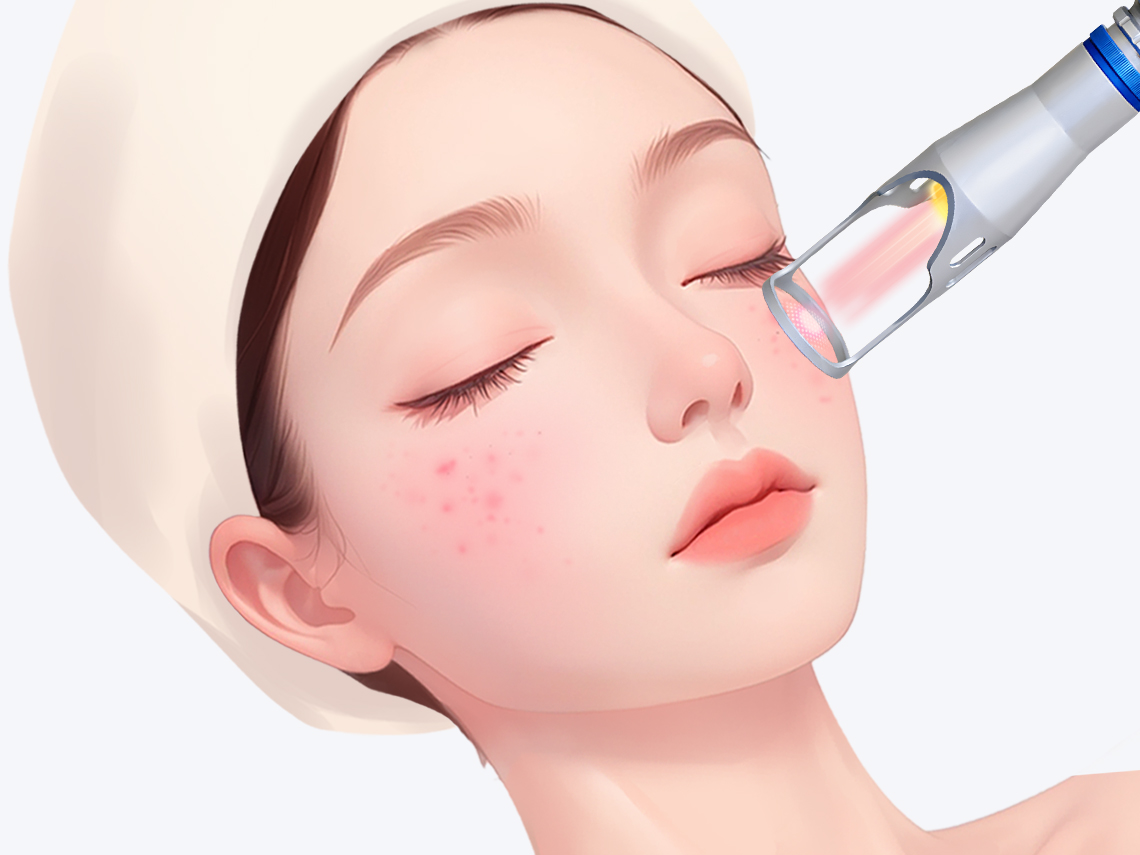
During treatment for acne marks and pits, proper skincare should be strengthened promptly. Daily sun protection and a light diet are recommended to avoid adverse effects on skin recovery.





