


What are the symptoms of pulmonary nodules?
Nov 23, 2024
Source: Cainiu Health

Dr. Ren Yi
Introduction
Pulmonary nodules refer to round or oval-shaped shadows that appear in the lungs. Symptoms may include persistent cough, shortness of breath, chest pain, fever, and hemoptysis. Patients may experience a persistent cough, which may occur without obvious triggers and may not improve with conventional cough relief methods. The persistent presence of cough is a common sign of lung disease, including pulmonary nodules.
Lung nodules refer to round or oval-shaped shadows appearing in the lungs. Symptoms may include persistent cough, difficulty breathing, chest pain, fever, and hemoptysis (coughing up blood). Detailed analysis is as follows:
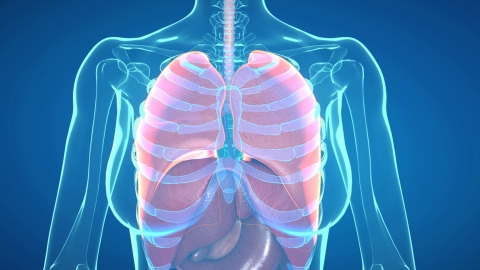
1. Persistent cough: Patients may experience a continuous cough, which may have no obvious cause and cannot be easily relieved by conventional cough treatments. The persistent presence of coughing is a common sign of lung disease, including lung nodules.
2. Difficulty breathing: If a lung nodule is located near the airway or grows large enough to compress the airway, it may cause breathing difficulties. Patients may feel shortness of breath after physical activity, and in severe cases, may experience labored breathing even at rest.
3. Chest pain: When a lung nodule grows larger or undergoes malignant changes, it may compress or irritate surrounding lung tissue and adjacent organs, causing chest pain. The pain may not be localized and could worsen during coughing or deep breathing.
4. Fever: Lung nodules can lead to systemic symptoms such as weight loss, fatigue, and fever. Particularly when the lung nodule is associated with inflammation, the patient may develop a low-grade fever.
5. Hemoptysis: If a lung nodule affects blood vessels in the lungs, there is a risk of vessel rupture, which can lead to hemoptysis. However, this situation is relatively rare.
If any of the above symptoms appear or if there are other discomforts, it is recommended to seek timely medical consultation at a hospital, clarify the health condition, and proceed with appropriate management under a doctor's guidance.


