


What should I do if a thermometer breaks?
Nov 27, 2024
Source: Cainiu Health

Dr. Yang Ziqi
Introduction
Direct contact with mercury may result in its absorption into the body through the skin, so contact with mercury should be avoided as much as possible. Mercury can penetrate the skin barrier and enter the bloodstream, causing harm to the human body. If contact with mercury occurs accidentally, the affected area should be rinsed immediately with large amounts of clean water. At the same time, during the cleanup of mercury, rubber gloves should be worn to prevent contact between mercury and the skin.
Generally, if a thermometer is dropped, immediate actions can include ventilating the area, avoiding contact, collecting the mercury, cleaning the contaminated area, and properly disposing of the collected materials. The specific steps are as follows:
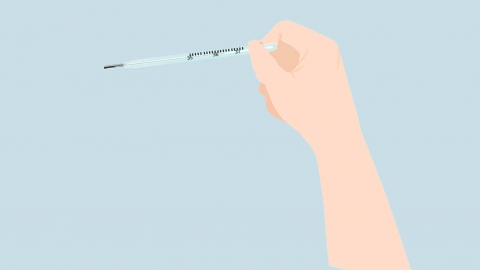
1. Immediate ventilation: Mercury evaporates easily at room temperature, and ventilation helps reduce the concentration of mercury vapor indoors, minimizing the risk of inhaling mercury vapor. Good ventilation can expel air containing mercury vapor outdoors, reducing indoor mercury levels. Ventilate for at least 24 hours to ensure sufficient air exchange. During ventilation, individuals should stay away from the area where the thermometer broke to avoid inhaling excessive mercury vapor.
2. Avoid contact: Direct contact with mercury may lead to absorption through the skin into the body, so contact should be avoided. Mercury can penetrate the skin barrier and enter the bloodstream, causing harm to the body. If contact occurs accidentally, immediately rinse the affected area thoroughly with plenty of water. Additionally, wear rubber gloves during the cleanup to prevent skin contact with mercury.
3. Collect the mercury: Carefully gather the scattered mercury droplets using a piece of cardboard or a plastic sheet. Avoid using a broom or vacuum cleaner, as these may accelerate the spread of mercury. Place the collected mercury into a sealed container and clearly label it as mercury waste for subsequent disposal.
4. Clean the contaminated area: Wipe the areas that may have been contaminated with mercury using a damp cloth or mop, and then place the cloth or mop into a sealed plastic bag to prevent mercury from vaporizing again. Multiple cleanings may be necessary to ensure thorough removal. For small crevices or corners, small tools like a toothbrush may be needed.
5. Proper disposal of collected materials: Seal all collected mercury droplets, contaminated cloths, or mops in a container, clearly label it as containing mercury, and contact your local environmental protection agency or medical facility to inquire about proper disposal methods. Do not dispose of these items casually to avoid environmental contamination.
Remain calm and follow safety procedures during the cleanup process.




