


What are the functions and benefits of fermented rice wine?
Dec 12, 2024
Source: Cainiu Health

Dr. Yang Ziqi
Introduction
Jiu Nang is a type of sweet rice wine made by fermenting glutinous rice with wine yeast (qu). It generally has various benefits, including beautifying the skin, promoting digestion and nutrient absorption, improving sleep quality, relieving stress, and supplementing nutrition. However, excessive consumption of Jiu Nang may cause adverse effects on the body, such as impairing liver function and increasing blood pressure. Pregnant and lactating women should be cautious or avoid consumption altogether.
Glutinous rice wine (Jiu Nang) is a type of sweet rice wine produced by fermenting glutinous rice with wine yeast. It generally offers several health benefits, including beautifying the skin, promoting digestion and absorption, improving sleep quality, relieving stress, and supplementing nutrition. Detailed explanations are as follows:
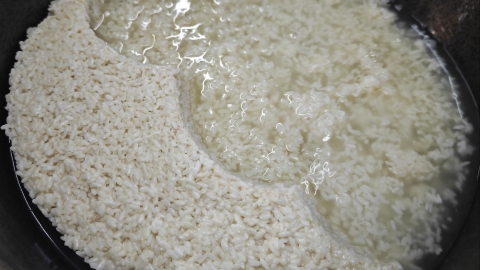
1. Skin Beautification
Glutinous rice wine is rich in various vitamins and antioxidants, such as B-complex vitamins and polyphenolic compounds. These components can neutralize free radicals, slow down cellular aging, and help maintain skin elasticity and luster, thereby achieving beautifying effects.
2. Promoting Digestion and Absorption
The yeast and enzymes in glutinous rice wine assist in breaking down large molecular substances in food, making them easier to digest and absorb. Meanwhile, the acidic environment of the wine helps stimulate gastric juice secretion, further promoting digestion and alleviating symptoms of indigestion.
3. Improving Sleep Quality
Glutinous rice wine contains amino acids, especially tryptophan, which serves as a precursor for melatonin synthesis. Melatonin is a hormone that regulates sleep cycles. Consuming glutinous rice wine in moderation may help improve sleep quality and provide auxiliary benefits for individuals suffering from insomnia.
4. Relieving Stress
The alcohol content in glutinous rice wine has a mild sedative effect, which can alleviate mental tension and stress. Additionally, the amino acids and B-complex vitamins present in the wine contribute to nervous system stability and help relax both body and mind.
5. Nutritional Supplementation
Glutinous rice wine contains abundant nutrients, including vitamins, carbohydrates, organic acids, proteins, amino acids, and various minerals. These components help supplement essential nutrients for the human body, support normal physiological functions, and enhance immunity when consumed in moderation.
However, excessive consumption of glutinous rice wine may have adverse effects on health, such as impairing liver function and increasing blood pressure. Pregnant women, lactating women, patients with liver disease, individuals with hypertension, and those allergic to alcohol should consume it cautiously or avoid it altogether.


