


What is the best treatment for hypertrophic scars and keloids?
Dec 24, 2024
Source: Cainiu Health

Dr. Liu Wenmin
Introduction
In general, proliferative scar refers to hypertrophic scar. There is no definitive "best treatment method for hypertrophic scars." Hypertrophic scars may be related to factors such as genetics, hormone levels, deep wounds, repeated surgeries, skin infections, and changes in local skin tension. Common treatment options include laser therapy, cryotherapy, pressure therapy, medication, and surgical excision.
Generally speaking, proliferative scar refers to hypertrophic scar. There is no such thing as the "best treatment for hypertrophic scars." Hypertrophic scars may be related to factors such as genetics, hormone levels, deep wounds or repeated surgeries, skin infections, and changes in local skin tension. Treatments usually include laser therapy, cryotherapy, pressure therapy, medication, surgical excision, and others. Patients are advised to visit a hospital promptly and follow medical guidance for treatment. The analysis is as follows:
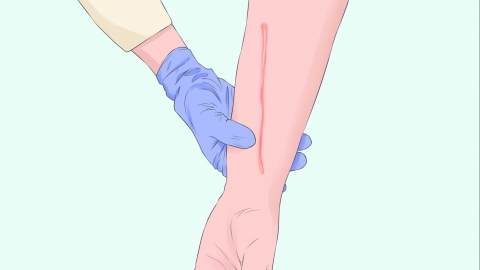
1. Genetics
Hypertrophic scars caused by genetic factors result from inherited skin characteristics or repair mechanisms that lead to excessive collagen production during wound healing, forming scars that protrude from the skin surface. If the scar is noticeable, patients can visit the dermatology department of a reputable hospital for laser treatment. The laser beam can directly target the deep layers of the skin, stimulating collagen production beneath the surface and helping restore smooth skin.
2. Hormone Levels
Poor dietary habits may lead to endocrine disorders, which can affect the skin's metabolism and healing functions. When the skin sustains an injury, severe hormonal imbalances may cause excessive growth of fibrous connective tissue, leading to scar proliferation. Consuming foods rich in vitamins and proteins, such as apples, oranges, milk, and lean meats, can provide necessary nutrients and promote skin metabolism, offering some supportive benefits.
3. Deep Wounds or Repeated Surgeries
Deep wounds or repeated surgeries may cause local soft tissue damage, triggering scar proliferation. During the healing of deep wounds, fibrous connective tissue may overgrow to fill the wound, resulting in hypertrophic scars. Applying continuous pressure to the scar using specially designed pressure garments or pads can reduce blood supply and nutrient delivery to the scar tissue, thereby inhibiting scar proliferation.
4. Skin Infection
If proper care is not taken during scar recovery, localized infection may occur. Prolonged inflammation can lead to hypertrophic scarring. For scars caused by bacterial infection, antibiotic ointments such as clindamycin phosphate gel, fusidic acid sodium ointment, or erythromycin ointment may be used under medical guidance to control the infection.
5. Changes in Local Skin Tension
If the scar orientation does not align with the skin tension, chronic pulling may occur, contributing to hypertrophic scarring. Hypertrophic scars that severely affect appearance or function can be treated with surgical excision. Removing the scar tissue surgically and employing repair methods such as skin grafting or flap transplantation can improve both appearance and function.
During the recovery period, patients are advised to keep the scar area clean and dry, avoiding scratching or rubbing to reduce the risk of infection.


