


Can I eat durian after getting double eyelid surgery?
Dec 26, 2024
Source: Cainiu Health

Dr. Chen Lu
Introduction
Under normal circumstances, double eyelid surgery refers to blepharoplasty (creation of double eyelid folds). It is acceptable to eat durian after blepharoplasty, although moderation is still advised. Blepharoplasty involves designing an incision at an appropriate position on the upper eyelid, removing part of the orbicularis oculi muscle and fat tissue, and then attaching the eyelid skin to the tarsal plate at the desired height to create a double eyelid crease, thereby forming a double eyelid appearance.
Generally, double eyelid surgery refers to blepharoplasty. It is acceptable to consume durian after blepharoplasty, although moderation is advised. Blepharoplasty involves designing an incision at an appropriate position on the upper eyelid, removing part of the orbicularis oculi muscle and fat tissue, and attaching the eyelid skin to the tarsal plate at the desired height to form a double eyelid crease, thereby creating a double eyelid appearance. The usual reference price for blepharoplasty is 1,000-6,000 yuan per session. Noticeable improvement is generally observed 1-3 months after the surgery, but symptoms such as redness and pain may occur. Detailed explanation is as follows:
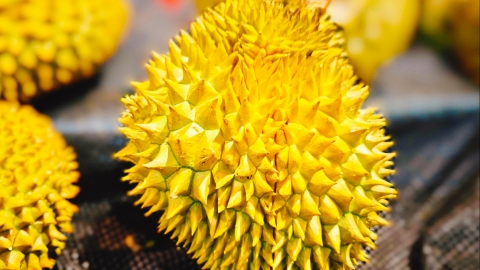
Durian is a nutrient-rich fruit containing abundant proteins, vitamins, minerals, dietary fiber, and other nutrients. Antioxidants like vitamin C help promote wound healing, while nutrients such as proteins provide the body with energy and raw materials needed for recovery, thus exerting a certain positive effect on postoperative recovery. Moreover, durian has a warm nature, and moderate consumption can help improve blood circulation, dispel cold, and relieve pain, which may help alleviate minor discomfort around the eyes following blepharoplasty.
It is recommended to visit a legitimate hospital and perform the above procedures under the guidance of qualified physicians to ensure the safety and reliability of the surgery. After surgery, sufficient rest should be maintained, excessive eye use avoided, and time spent viewing electronic devices minimized, allowing the eyes to rest adequately and facilitating the repair of ocular tissues.


