


What Chinese herbs are incompatible with Panax notoginseng (San Qi)?
Jan 13, 2025
Source: Cainiu Health

Dr. Zhang Xiuhong
Introduction
Generally, Panax notoginseng (San Qi) is incompatible with certain traditional Chinese medicines such as Aconiti Radix (Chuan Wu), Pinelliae Rhizoma (Ban Xia), Typhonii Rhizoma (Li Lu), Aconiti Lateralis Radix Praeparata (Fu Zi), and Paeoniae Radix (Wu Ling Zhi). Medications should be used under the guidance of a physician. Chuan Wu is strongly warming in nature and has powerful functions of dispersing cold and relieving pain, but it also has certain toxicity. When used together with San Qi, the significant difference in their medicinal properties may lead to uneven distribution of medicinal effects in the body, thereby increasing the risk of toxicity.
Generally speaking, Panax notoginseng (Sanqi) is incompatible with certain traditional Chinese herbs such as Aconiti Radix (Chuanwu), Pinelliae Rhizoma (Banxia), Gmelinae Fructus (Wulingzhi), Aconiti Lateralis Radix Praeparata (Fuzi), and Veratrum Nigrum (Lilu). Medications should be used under the guidance of a physician. Detailed explanations are as follows:
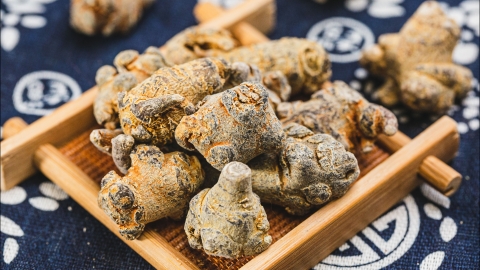
1. Aconiti Radix (Chuanwu)
Aconiti Radix is strongly hot in nature and has powerful functions of dispersing cold and relieving pain, but it also possesses certain toxicity. When used together with Panax notoginseng, the significant difference in their medicinal properties may lead to uneven distribution of medicinal effects in the body, thereby increasing the risk of poisoning.
2. Pinelliae Rhizoma (Banxia)
Pinelliae Rhizoma mainly functions to dry dampness, resolve phlegm, reverse upward stomach qi, and relieve vomiting. However, its properties are incompatible with those of Panax notoginseng. Panax notoginseng is cool in nature and primarily used for hemostasis, whereas Pinelliae Rhizoma is warm in nature and used to resolve phlegm and relieve cough. Combining these two herbs may result in mutual neutralization of their effects, thereby reducing therapeutic efficacy.
3. Gmelinae Fructus (Wulingzhi)
Gmelinae Fructus is warm in nature and functions to warm the channels and disperse cold, promote blood circulation, and regulate menstruation. When used together with Panax notoginseng, due to both herbs having strong blood-activating effects, excessive use may accelerate blood circulation excessively, leading to a tendency to bleed or other adverse reactions.
4. Aconiti Lateralis Radix Praeparata (Fuzi)
Panax notoginseng should not be used together with potent herbs such as Aconiti Lateralis Radix Praeparata, as this may cause drug interactions that affect therapeutic outcomes. These herbs have strong medicinal properties, and their combined use may increase the risk of adverse reactions.
5. Veratrum Nigrum (Lilu)
Panax notoginseng and ginseng both belong to the Araliaceae plant family. Veratrum Nigrum is incompatible with ginseng and related species ("Wu Shen" in Chinese), therefore Panax notoginseng should not be taken simultaneously with Veratrum Nigrum. These two herbs have opposing medicinal properties, and their combined use may produce toxic reactions harmful to the human body.
However, incompatibility among Chinese herbal medicines is not absolute; the extent of incompatibility usually depends on the compatibility ratio of the herbs, individual body constitution, and the specific disease condition.



