


What is contraindicated with red ginseng?
Jan 21, 2025
Source: Cainiu Health

Dr. Yang Ziqi
Introduction
Under normal circumstances, red ginseng may be incompatible with certain substances such as tea, Wu Ling Zhi (a traditional Chinese medicine ingredient), Veratrum (Lilu), radish, ginger, and others. However, these substances are not necessarily absolutely contraindicated for consumption with red ginseng, and individual reactions may vary. It is recommended that individuals pay attention to their own responses in daily life. If discomfort occurs after consumption, it is advisable to reduce the intake or avoid consuming them together.
Under normal circumstances, red ginseng may be incompatible with tea, Wu Ling Zhi (Pteropus), Veratrum, radish, and ginger. A detailed analysis is as follows:
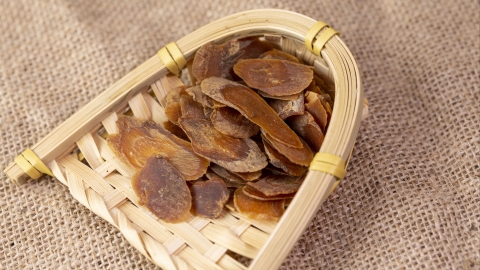
1. Tea
Tea contains tannic acid and other components that can combine with active ingredients in red ginseng to form insoluble complexes, affecting the absorption and utilization of red ginseng and thereby reducing its therapeutic effectiveness. Therefore, it is recommended to avoid drinking tea while taking red ginseng.
2. Wu Ling Zhi (Pteropus)
Wu Ling Zhi is primarily used for promoting blood circulation and removing blood stasis, but it has certain incompatibility with red ginseng. The blood-activating effect of Wu Ling Zhi may conflict with the blood-nourishing effect of red ginseng, leading to disharmony of qi and blood, which is detrimental to health.
3. Veratrum
Veratrum is a toxic plant whose roots contain a toxin called veratrine. Red ginseng is incompatible with Veratrum because the components in Veratrum can destroy the effective ingredients in red ginseng, reducing its medicinal effectiveness and potentially causing toxic reactions.
4. Radish
Radish has a cooling nature and functions to clear heat and detoxify, as well as aid digestion and relieve food stagnation, while red ginseng has a warming nature and mainly functions to replenish qi and nourish the blood. Due to their opposing properties, consuming them together may neutralize each other's effects, weakening the nourishing effects of red ginseng.
5. Ginger
Ginger is a pungent and dispersing food. Consuming it together with red ginseng may irritate the gastrointestinal tract, hinder the absorption of red ginseng, and potentially conflict with the tonic effects of red ginseng.
However, these foods are not absolutely incompatible with red ginseng, and individual reactions after consumption may vary. It is recommended that individuals pay attention to their own responses in daily life. If discomfort occurs after consumption, the dosage should be reduced or the combination avoided.





