


Can patients with influenza A eat snail rice noodles?
Feb 07, 2025
Source: Cainiu Health

Dr. Ren Yi
Introduction
The flavor of Luosifen (spicy river snail noodles) is quite spicy, containing a large amount of chili peppers, Sichuan peppercorns, and other spicy seasonings. Patients with Influenza A virus infection may experience symptoms such as sore throat and cough. Consuming spicy Luosifen can irritate the mucous membranes of the throat and gastrointestinal tract, worsening sore throat and potentially causing gastrointestinal discomfort such as stomach pain, bloating, and diarrhea, which may affect the patient's recovery.
Generally speaking, "A flu" refers to the influenza A virus. Patients with the influenza A virus are not advised to eat snail rice noodles (luosifen). The specific reasons are as follows:
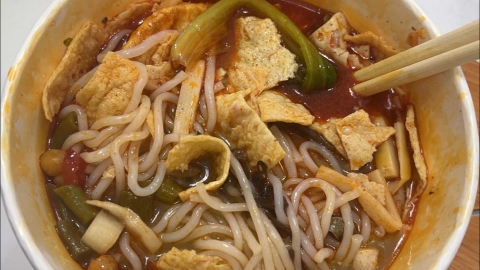
Snail rice noodles have a spicy flavor and contain a large amount of chili peppers, Sichuan peppercorns, and other spicy seasonings. Patients with the influenza A virus may experience symptoms such as sore throat and coughing. Consuming spicy snail rice noodles can irritate the throat and gastrointestinal mucosa, worsening sore throat and potentially causing gastrointestinal discomfort such as stomach pain, bloating, and diarrhea, which can hinder the patient's recovery.
Snail rice noodles also contain a relatively high amount of oil and are quite greasy. After infection with the influenza A virus, patients may experience weakened gastrointestinal function and reduced digestion capacity. Eating greasy snail rice noodles may increase the burden on the gastrointestinal tract, causing indigestion, nausea, vomiting, and other symptoms, which can hinder the absorption of other essential nutrients and negatively impact recovery from illness.
Influenza A patients should choose bland, easily digestible foods, such as millet porridge, black rice porridge, and vegetable soup. These foods are not only easy to digest but also provide necessary energy and hydration. Additionally, patients should maintain adequate water intake, which helps thin mucus secretions, alleviate respiratory symptoms, and support essential bodily functions such as metabolism and drug excretion.


