


Is it okay to drink cold water to quench thirst after exercising?
Feb 10, 2025
Source: Cainiu Health

Dr. Yang Ziqi
Introduction
Whether cold water can be consumed to quench thirst after exercise depends on the specific circumstances. If the exercise was not strenuous, drinking cold water is generally acceptable. However, if the exercise was intense, it is not recommended to drink cold water to quench thirst. To ensure health, it is advisable to drink water slowly in small sips after exercise, avoiding consuming large amounts of water at once. If the intensity of exercise was high, it is recommended to rest for a while before drinking water.
Whether or not to drink cold water to quench thirst after exercise depends on the specific circumstances. If you haven't engaged in intense exercise, drinking cold water generally helps relieve thirst. However, if you've undergone vigorous exercise, it is not recommended to drink cold water for hydration. Detailed explanations are as follows:
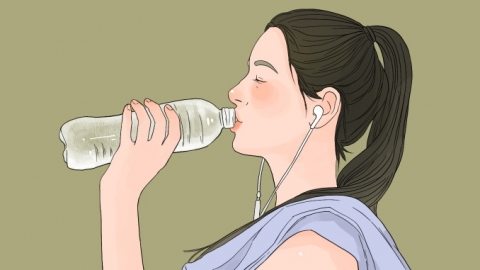
If you have performed mild to moderate exercise, such as walking, jogging, or yoga, drinking an appropriate amount of cold water after exercise can help quickly replenish fluids and relieve thirst, posing no significant harm to your body.
After high-intensity or prolonged exercise, your body sweats heavily and your body temperature rises significantly. Drinking large amounts of cold water suddenly in this situation may have adverse effects. The cold temperature can stimulate the gastrointestinal tract, causing blood vessels to constrict, affecting digestive function, and potentially leading to symptoms such as abdominal pain and diarrhea.
To ensure good health, it is advisable to drink water slowly and in small sips after exercise, avoiding consuming large amounts at once. If the exercise was strenuous, it is recommended to rest briefly after finishing, wait until your heart rate returns to normal, and then drink an appropriate amount of water. It is generally advisable to avoid engaging in intense physical activity to prevent physical discomfort.






