


Can red beans and mung beans be eaten together?
Feb 13, 2025
Source: Cainiu Health

Dr. Bai Hongmei
Introduction
Under normal circumstances, red beans and mung beans can be consumed together. Red beans are rich in protein, carbohydrates, crude fiber, calcium, phosphorus, iron, riboflavin, and other nutrients. They have functions such as regulating qi and activating blood circulation, promoting menstruation, diuretic and reducing edema, and protecting the cardiovascular system. Mung beans contain protein, carbohydrates, calcium, phosphorus, iron, carotene, vitamin B1, vitamin B2, and various other nutrients.
Generally speaking, red beans and mung beans can be eaten together. The detailed explanation is as follows:
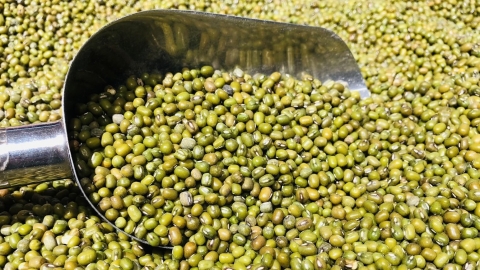
Red beans are rich in protein, carbohydrates, crude fiber, calcium, phosphorus, iron, riboflavin, and other nutrients. They have effects such as regulating qi and activating blood circulation, promoting blood circulation, diuresis and reducing edema, and protecting the cardiovascular system. Mung beans contain protein, carbohydrates, calcium, phosphorus, iron, carotene, vitamin B1, vitamin B2, and various other nutrients. They have functions including clearing heat and detoxifying, relieving summerheat and invigorating qi, quenching thirst and promoting urination, improving digestion, and reducing edema.
Consuming red beans and mung beans together can supply various nutrients needed by the body, enhance immunity, and strengthen the body's resistance to diseases. Both are rich in dietary fiber, which helps promote intestinal motility and improve digestion. Moreover, the heat-clearing and detoxifying effects of mung beans combined with the blood-activating properties of red beans can help alleviate internal heat and toxicity symptoms.
When consuming, it is important to eat in moderation, as excessive intake may increase the burden on the gastrointestinal tract, leading to discomforts such as bloating and diarrhea. Additionally, both red beans and mung beans are not easily fully cooked, so they should be thoroughly cooked before consumption to avoid indigestion.


