


Can red beans and honey be eaten together?
Mar 17, 2025
Source: Cainiu Health

Dr. Yu Yongchao
Introduction
Under normal circumstances, red beans and honey can be consumed together, but it is important to eat them in moderation. The dietary fiber in red beans and the enzymes in honey can help promote digestion and improve the function of the digestive system. At the same time, the vitamins and minerals in red beans combined with the antioxidants in honey can enhance the body's immunity and disease resistance.
Generally speaking, red beans and honey can be consumed together, but it is important to eat them in moderation. The detailed analysis is as follows:
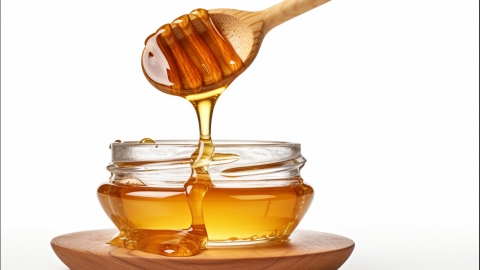
Red beans are rich in protein, dietary fiber, carbohydrates, vitamin B1, vitamin B6, folate, potassium, and other nutrients. These components help maintain the health of muscles and tissues, promote gastrointestinal health, lower cholesterol levels, stabilize blood sugar, assist in weight management, and support energy metabolism and nervous system function. Honey contains natural sugars, vitamin C, vitamin D, vitamin E, dietary fiber, and other nutrients. Consuming honey in moderation can provide energy to the body, enhance immunity, promote intestinal motility, relieve constipation, and has benefits such as moistening the lungs, relieving coughs, calming the nerves, and aiding sleep.
The dietary fiber in red beans and enzymes in honey help promote digestion and improve the function of the digestive system. At the same time, the vitamins and minerals in red beans combined with the antioxidant substances in honey can enhance the body's immunity and disease resistance. However, it is important to consume them in moderation, as excessive consumption may lead to indigestion or other discomforts.
Individuals with diabetes, allergies to legumes or honey, and others should be cautious about controlling their intake or avoiding consumption altogether. Diabetic patients should avoid consuming honey to prevent adverse effects on blood sugar levels. When planning meals, it is recommended to maintain dietary diversity and balance to ensure the body receives comprehensive nutrition.
References:
[1] Zhang Yaoyao, Deng Yuanxi, Dong Xiaoxue, et al. Nutritional and Health Value of Red Beans and Their Application in the Beverage Industry [J]. Anhui Agricultural Science Bulletin, 2017, 23(12): 153-156.
[2] Ji Le, Qi Shanshan, Zheng Hongxing, et al. Research Progress on Nutritional Components and Functional Activities of Honey [J]. Food and Fermentation Technologies, 2024, 60(02): 101-107.





