Can tachycardia caused by hyperthyroidism be controlled with medication?
Feb 21, 2025
Source: Cainiu Health

Dr. Yang Chuanjia
Introduction
Hyperthyroidism, also known as overactive thyroid, often causes an increased heart rate, which can usually be controlled with medications. However, in cases of drug allergy or severe heart disease, medication may not be suitable. In such situations, doctors may consider alternative treatments, such as radioactive iodine-131 therapy or surgical intervention, to manage hyperthyroidism and reduce heart rate.
Hyperthyroidism, also known as overactive thyroid, typically causes a rapid heart rate, which in most cases can be controlled with medication. However, if the patient has drug allergies or severe heart disease, medication might not be suitable for treatment. If any abnormalities occur, timely medical attention is recommended. Detailed analysis is as follows:
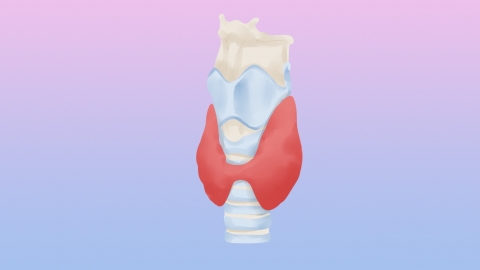
In most cases, the rapid heart rate caused by hyperthyroidism can be effectively controlled with medication. The primary reason hyperthyroidism leads to a fast heart rate is excessive secretion of thyroid hormones, which stimulate myocardial cells, enhancing cardiac contractility and increasing heart rate. Doctors usually recommend medications such as methimazole tablets or propylthiouracil tablets to reduce the synthesis of thyroid hormones, thereby alleviating symptoms of hyperthyroidism, including rapid heart rate. Additionally, beta-blockers such as propranolol hydrochloride tablets or metoprolol tartrate tablets can directly act on the heart to slow down the heart rate.
However, if patients are allergic to these medications, their use could trigger severe allergic reactions, potentially endangering life. Moreover, if patients also suffer from severe heart conditions, such as heart failure or arrhythmia, the use of these drugs might increase the burden on the heart and lead to more serious cardiac complications.
In such situations, doctors may consider alternative treatments, such as radioactive iodine-131 therapy or surgical intervention, to manage hyperthyroidism and reduce heart rate.