What symptoms can nebulizer therapy relieve?
Mar 03, 2025
Source: Cainiu Health

Dr. Ren Yi
Introduction
In general, nebulizer therapy can relieve symptoms such as coughing, phlegm production, wheezing, shortness of breath, sore throat, and swelling. Nebulization can moisten the airways, dilute mucus, reduce irritation caused by phlegm, and also reduce airway inflammation through medication, alleviating bronchospasm. Thus, it can effectively reduce coughing symptoms, whether they are caused by infections, allergies, or other conditions.
Generally, nebulizer therapy can relieve symptoms such as cough, sputum production, wheezing, shortness of breath, sore throat and swelling. Details are as follows:
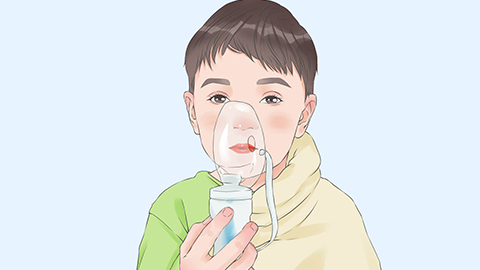
1. Cough: Nebulization can moisten the airway, dilute sputum, reduce irritation of sputum on the airway, and also alleviate airway inflammation and bronchospasm through medication, thereby effectively relieving cough symptoms. Both infectious and allergic cough may benefit from this treatment.
2. Sputum production: Medications used in nebulization, such as ambroxol, can promote mucus dissolution, reduce sputum viscosity, make sputum easier to expel, help clear the airway, reduce sputum accumulation in the airway, and improve difficulty in expectorating sputum.
3. Wheezing: Inhalation of bronchodilators via nebulization, such as salbutamol and ipratropium bromide, can relax bronchial smooth muscles, rapidly relieve bronchospasm, effectively reduce wheezing symptoms, improve breathing difficulties, and are commonly used in the treatment of bronchial asthma and chronic obstructive pulmonary disease (COPD).
4. Shortness of breath: On one hand, bronchodilators used in nebulization can expand the airways and increase ventilation. On the other hand, anti-inflammatory medications such as corticosteroids can reduce airway inflammation and swelling, thereby improving airway patency. These combined effects improve gas exchange and relieve shortness of breath.
5. Sore throat and swelling: For throat inflammation causing swelling and pain, nebulization allows medication to act directly on the throat area, achieving anti-inflammatory, swelling-reducing and pain-relieving effects. Commonly used medications include dexamethasone, which helps reduce local inflammation and alleviate throat discomfort.
Relieving these symptoms helps improve patients' quality of life and promotes disease recovery. However, the specific medications and regimen for nebulization therapy should be determined according to the patient's specific condition and medical advice.