


Can sun exposure alleviate neonatal jaundice?
Mar 05, 2025
Source: Cainiu Health

Dr. Zhou Xiaofeng
Introduction
In general, sun exposure can alleviate neonatal jaundice to some extent. Sunlight helps the skin absorb ultraviolet light, promoting the conversion of bilirubin into water-soluble substances, which can then be excreted through urine and feces, thereby reducing bilirubin levels. However, its effectiveness is limited, and sun exposure alone cannot be relied upon to treat severe or pathological jaundice.
Generally, sun exposure can alleviate neonatal jaundice to some extent, but its effectiveness is limited. The detailed explanation is as follows:
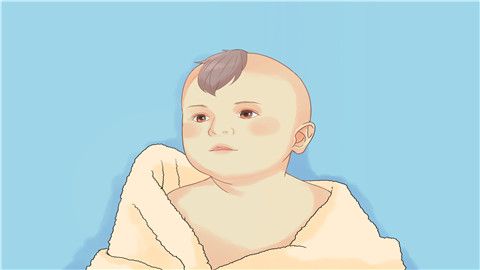
Exposure to sunlight helps the skin absorb ultraviolet light, promoting the conversion of bilirubin into water-soluble substances, which can then be excreted from the body through urine and feces, thus lowering bilirubin levels. Under a doctor's guidance, choosing mild sunlight during early morning or evening hours, exposing the newborn's skin to sunlight for 10-15 minutes at a time while ensuring the infant is not overexposed, may help relieve jaundice.
However, the effect of sun exposure in alleviating neonatal jaundice is relatively limited and influenced by multiple factors, such as duration, intensity, and weather conditions. Therefore, relying solely on sun exposure to treat severe or pathological jaundice is not recommended. If jaundice is severe or persists for a prolonged period, timely medical attention is necessary, employing treatments such as phototherapy or medication.
During sun exposure, special attention should be given to protecting the newborn's eyes and genital area. Eye shields or diapers can be used to cover and shield these sensitive areas from direct sunlight to prevent injury.



