


What are the side effects of honeysuckle?
Mar 09, 2025
Source: Cainiu Health

Dr. Bai Hongmei
Introduction
Under normal circumstances, honeysuckle is a commonly used traditional Chinese medicinal herb, and its possible side effects may include worsening of spleen and stomach cold deficiency, allergic reactions, electrolyte imbalance, liver and kidney function damage, and disruption of the menstrual cycle. It is recommended to consult a doctor before using honeysuckle to determine whether it is suitable for you. Follow the dosage and administration instructions provided by your physician or as indicated on the product label, and avoid excessive intake of honeysuckle.
Generally, honeysuckle is a commonly used traditional Chinese herb, and its possible side effects include worsening of spleen-stomach cold deficiency, allergic reactions, electrolyte imbalance, liver and kidney function damage, and menstrual disturbances. The specific analysis is as follows:
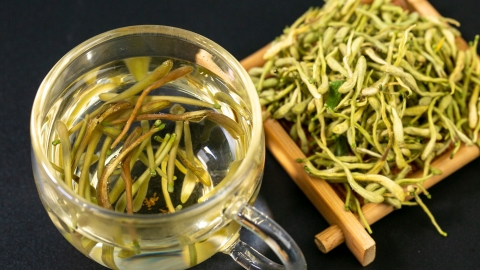
1. Worsening of Spleen-Stomach Cold Deficiency
Honeysuckle has a cold nature. For individuals with pre-existing spleen-stomach cold deficiency, such as those frequently experiencing abdominal pain, diarrhea, loose stools, cold hands and feet, taking honeysuckle may further impair the spleen and stomach's yang energy, leading to poorer digestive function and worsening of the above symptoms, affecting digestion and absorption.
2. Allergic Reactions
Some individuals may be allergic to honeysuckle. After contact with or ingestion of honeysuckle, allergic reactions such as skin itching, rash, and erythema may occur. In severe cases, symptoms such as throat swelling and difficulty breathing may develop. If an allergic reaction occurs, use should be discontinued immediately, and medical attention should be sought promptly.
3. Electrolyte Imbalance
Honeysuckle has a diuretic effect. Long-term and excessive consumption of honeysuckle tea may lead to increased urination. Excessive urination may cause the body to excrete potassium, sodium, calcium, and other electrolytes through urine. If not replenished timely, this may lead to electrolyte imbalance, causing symptoms such as fatigue, muscle cramps, and arrhythmia.
4. Liver and Kidney Function Damage
Long-term or excessive use of honeysuckle may lead to accumulation of certain components in the liver and kidneys. These components may interfere with the normal metabolism and function of liver and kidney cells, affecting the liver’s detoxification and the kidneys’ excretion functions. Prolonged use may result in impaired liver and kidney function, manifesting as elevated transaminase levels, proteinuria, and other symptoms.
5. Menstrual Disturbances
During menstruation, women's bodies are relatively weak and require warmth and care. The cold nature of honeysuckle may cause blood and qi stagnation, leading to poor menstrual flow, dysmenorrhea, reduced menstrual volume, or menstrual cycle irregularities, thereby affecting women's menstrual health.
Before using honeysuckle, it is recommended to consult a doctor or pharmacist to determine whether it is suitable for your body type. Follow the dosage and usage instructions provided by a healthcare professional or as indicated on the product label, avoiding excessive intake. Monitor your body's response closely, and if any adverse symptoms occur, discontinue use immediately and seek medical advice.





