


Is fasting required for kidney function tests?
Mar 12, 2025
Source: Cainiu Health

Dr. Yang Guang
Introduction
In general, kidney function tests require fasting to ensure the accuracy of the results. Typically, a fasting period of 6 to 8 hours is required, allowing the body to remain in a relatively basal metabolic state and eliminating the influence of factors such as food intake. On the night before the test, excessive protein consumption or other substances that may affect kidney metabolism should be avoided. Maintaining a light diet can help improve the accuracy of the test results.
Generally, kidney function tests require fasting to ensure the accuracy of the results. Detailed explanations are as follows:
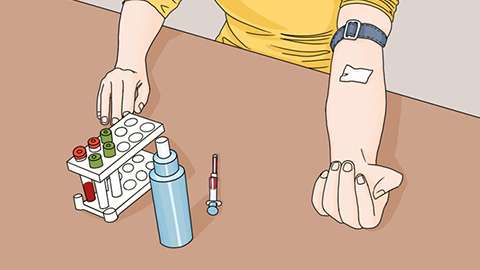
Kidney function tests are methods used to evaluate the status of kidney function and typically include two parts: blood tests and urine tests. Levels of serum creatinine, blood urea nitrogen (BUN), and blood uric acid can all be affected by diet. Consuming large amounts of high-protein foods such as meat before the test may temporarily elevate levels of serum creatinine, BUN, and blood uric acid, thereby affecting the accuracy of test results.
Typically, fasting for 6–8 hours is required to ensure the body is in a relatively basal metabolic state, eliminating the influence of dietary factors. On the night before the test, excessive intake of protein or other substances that may affect kidney metabolism should be avoided. Maintaining a light diet can help improve the accuracy of the test results. Additionally, breakfast should be avoided on the day of the test.
In special situations such as emergencies, doctors may still need to perform kidney function tests even if the patient has not fasted, in order to assess the patient's condition. In such cases, the doctor will make a diagnosis considering the patient's specific condition and test results comprehensively. However, to avoid interference, doctors may request the patient to undergo another fasting test after the condition stabilizes, in order to obtain more accurate results.








