


What causes hematemesis (vomiting blood)?
Mar 18, 2025
Source: Cainiu Health

Dr. Ren Yi
Introduction
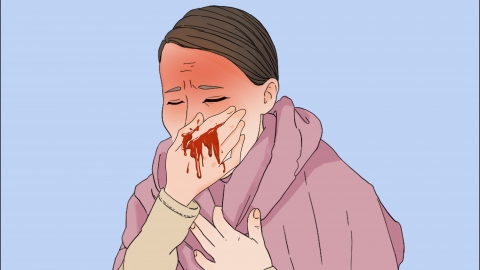
In general, hematemesis (vomiting blood) may be caused by factors such as dietary irritation, acute gastroenteritis, gastric ulcers, tuberculosis, or pulmonary embolism, and symptomatic management is required through general treatment, medication, and other methods. In daily life, it is recommended to maintain good living habits and engage in moderate exercise, such as jogging or brisk walking, which can help enhance cardiopulmonary function and promote overall health.
Generally, hematemesis (vomiting blood) may be caused by factors such as dietary irritation, acute gastroenteritis, gastric ulcer, tuberculosis, or pulmonary embolism. Symptomatic management usually involves general treatment and medication. If symptoms are severe, prompt medical attention is recommended, and treatment should follow medical advice. Detailed explanations are as follows:
1. Dietary Irritation
Excessive alcohol consumption or eating overly hot or spicy foods can damage the mucous membrane of the digestive tract, leading to bleeding, often accompanied by stomach discomfort and a burning sensation. It is recommended to avoid excessive alcohol consumption and spicy foods, and maintain a balanced and healthy diet.
2. Acute Gastroenteritis
Acute gastroenteritis is usually caused by improper diet or infection. The inflammation can cause blood vessels in the digestive tract to rupture and bleed, possibly accompanied by symptoms such as nausea, vomiting, and diarrhea. It is recommended to take medications such as ciprofloxacin hydrochloride capsules, bismuth potassium citrate tablets, and enteritis relief granules under a doctor's guidance.
3. Gastric Ulcer
A gastric ulcer refers to an ulcer occurring in areas such as the gastric angle, gastric antrum, cardia, or hiatal hernia, and is a type of peptic ulcer. When the ulcer erodes the blood vessels in the stomach wall, it can cause vessel rupture and bleeding, leading to hematemesis, often accompanied by vomiting, abdominal pain, and loss of appetite. It is recommended to take medications such as esomeprazole magnesium enteric-coated tablets, lansoprazole tablets, and cimetidine injection as directed by a physician to alleviate symptoms.
4. Tuberculosis
Tuberculosis is a chronic infectious disease caused by Mycobacterium tuberculosis infection. In tuberculosis, the bacteria damage lung tissue and bronchial mucosa, forming cavities, which can lead to blood vessel rupture and bleeding, manifesting as hemoptysis (coughing up blood), often accompanied by symptoms such as fever, night sweats, and weight loss. It is recommended to undergo long-term treatment with anti-tuberculosis drugs such as isoniazid tablets, rifampicin capsules, and ethambutol hydrochloride tablets as directed by a physician.
5. Pulmonary Embolism
Pulmonary embolism refers to the blockage of the pulmonary artery or its branches by a blood clot, leading to impaired pulmonary circulation, hypoxia of lung tissue, vascular injury, and subsequent bleeding. Symptoms typically include sudden chest pain, difficulty breathing, and palpitations. It is recommended to take medications such as dicoumarol tablets, heparin sodium injection, and warfarin sodium tablets under medical guidance.
In daily life, it is advisable to maintain good lifestyle habits and engage in moderate exercise, such as jogging or brisk walking, which can help enhance cardiopulmonary function and promote overall health.
References
[1] Han Xiao. Don't Panic at the Sight of "Blood": What to Do About Vomiting Blood and Black Stools [J]. Family Medicine, 2024, (11): 58-59.
[2] Wang Jiaxing, Wang Pai, Feng Xiaojie, et al. Analysis of the Differentiated Treatment Approach for Geriatric Hematemesis Based on Zhang Xichun's Theories on Hematemesis Syndrome [J]. Henan Traditional Chinese Medicine, 2023, 43(12): 1830-1834.








