


What Are the Available Antipyretics?
Jun 04, 2021
Source: Cainiu Health
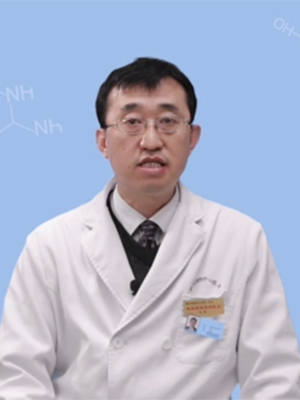
Dr. Zhang Jian
Introduction
The primary antipyretic drugs are nonsteroidal anti-inflammatory drugs (NSAIDs) with antipyretic and analgesic properties, such as ibuprofen, aspirin, acetaminophen (paracetamol), indomethacin, nimesulide, and celecoxib—all of which are effective for reducing fever. Additionally, certain intramuscular injections—such as Xiao Chai Hu Injection and Compound Aminopyrine and Barbital Sodium Injection—are also used for antipyretic treatment.
Antipyretic medications primarily include the following:

First, nonsteroidal anti-inflammatory drugs (NSAIDs) with antipyretic and analgesic properties—mainly used for fever reduction—such as ibuprofen, aspirin, acetaminophen (paracetamol), indomethacin, nimesulide, and celecoxib.

These medications are highly effective for fever reduction; the typical oral dose is one to two tablets per administration. If the desired antipyretic effect is not achieved, a repeat dose may be given after an interval of 6–8 hours.
Second, intramuscular injections may be used for antipyretic treatment, such as Xiao Chai Hu Injection (Minor Bupleurum Injection) or Compound Aminopyrine and Barbital Sodium Injection.
Third, certain traditional Chinese patent medicines may also be employed for fever reduction, including Xiao Chai Hu Granules (Minor Bupleurum Granules) and Isatis Root (Ban Lan Gen) preparations.


