


Can I eat lychee in the late stages of pregnancy?
Jun 12, 2025
Source: Cainiu Health

Dr. Zhang Lu
Introduction
In general, it is acceptable to eat lychee during the late stages of pregnancy, but excessive consumption is not recommended. It is important to control the amount consumed, as eating more than 5-8 lychees per day is not advised due to their high sugar content. Overconsumption may cause blood sugar fluctuations and increase the risk of gestational diabetes. Additionally, pregnant women with a naturally "hot" constitution, those prone to heatiness or suffering from constipation should be particularly cautious.
Generally speaking, it is acceptable for women in their third trimester of pregnancy to eat lychee, although excessive consumption is not recommended. Detailed explanations are as follows:
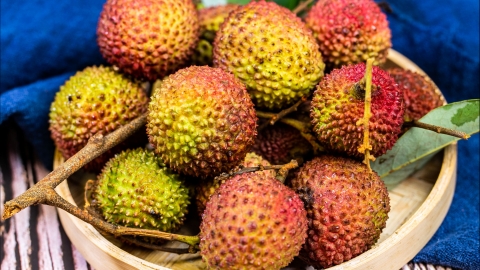
Lychee contains abundant glucose and sucrose, which can rapidly replenish energy consumed due to the increased physical burden during late pregnancy and help alleviate fatigue. It also provides rich sources of vitamin C, B-complex vitamins, folate, and minerals such as iron and potassium. Vitamin C helps enhance the pregnant woman's immunity and promotes collagen synthesis, while B-complex vitamins and folate benefit fetal nervous system development. Iron helps prevent iron-deficiency anemia in pregnant women, and potassium aids in maintaining electrolyte balance. Additionally, the sweet and refreshing taste of lychee can help improve poor appetite that may occur during late pregnancy.
However, pregnant women should control the amount of lychee consumed during the third trimester. It is recommended not to exceed 5–8 pieces per day because of its high sugar content. Excessive consumption may cause blood sugar fluctuations and increase the risk of gestational diabetes. Moreover, pregnant women with a naturally hot constitution, those prone to heatiness or suffering from constipation should also reduce the frequency and quantity of lychee consumption. Drinking an adequate amount of water after consumption can aid digestion and absorption.


