What causes abdominal pain during exercise?
Jun 17, 2025
Source: Cainiu Health

Dr. Shen Yonghua
Introduction
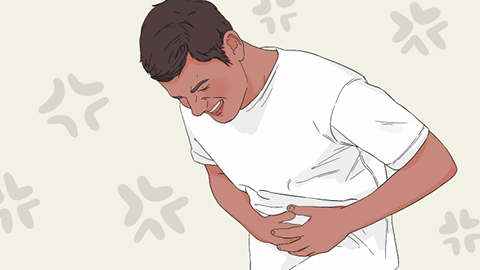
In general, abdominal pain during exercise may be caused by dietary issues, gastrointestinal spasms, ligament strain of the liver or spleen, exercise-induced gastrointestinal syndrome, appendicitis, or other reasons. Symptomatic management is required through general treatment, medication, surgical treatment, and other methods. It is recommended to wait 1–2 hours after a meal before exercising to prevent excessive gastrointestinal burden. Additionally, the intensity and pace of exercise should be appropriately controlled during physical activity.
Generally, abdominal pain during exercise may be caused by dietary issues, gastrointestinal spasms, ligament strain of the liver or spleen, exercise-induced gastrointestinal syndrome, appendicitis, and other reasons. Symptomatic management through general treatment, medication, or surgical treatment may be needed. If discomfort occurs, timely medical consultation is recommended, and corresponding treatments should be conducted under a physician's guidance. Detailed analysis is as follows:
1. Dietary Issues
Improper or excessive food intake before exercise, especially consumption of high-fat, high-fiber, or high-protein foods that are difficult to digest and may accumulate in the stomach, can cause irritation to the stomach wall due to body movement during exercise, leading to abdominal pain, possibly accompanied by symptoms of indigestion such as nausea, vomiting, and bloating. It is recommended to avoid eating excessive or inappropriate foods before exercise, choosing easily digestible, low-fat, low-fiber foods instead.
2. Gastrointestinal Spasms
During intense exercise, as more blood is directed to the muscles, the gastrointestinal tract receives relatively less blood supply, which may cause abnormal contractions of the smooth muscles of the gastrointestinal tract, resulting in cramping pain. The abdominal pain is usually intermittent and may be accompanied by symptoms such as nausea and vomiting. It is recommended to stop exercising immediately, perform deep breathing to relax the body, and attempt local massage or heat application to relieve the pain.
3. Ligament Strain of the Liver or Spleen
Due to gravity during exercise, the liver and spleen may sag, stretching the ligaments of the liver or spleen, causing pain in the left or right abdomen. This condition is commonly seen during high-intensity exercises such as running or jumping, and may be accompanied by local tenderness and restricted movement. It is recommended to perform appropriate warm-up activities before exercise and strengthen abdominal muscle strength, which can help reduce the strain on the liver and spleen ligaments.
4. Exercise-Induced Gastrointestinal Syndrome
Exercise-induced gastrointestinal syndrome is an intestinal functional disorder associated with physical activity. During exercise, intestinal peristalsis accelerates, causing faster movement of gas and fluid within the intestines, stimulating intestinal nerves, leading to abdominal pain or diarrhea, possibly accompanied by bloating and increased flatulence. It is recommended to use medications such as omeprazole enteric-coated tablets, rabeprazole sodium enteric-coated tablets, and Bifidobacterium triple viable capsules under a physician's guidance for treatment.
5. Appendicitis
Appendicitis refers to inflammation of the appendix, mainly caused by bacterial invasion and gastrointestinal dysfunction. Increased abdominal pressure during exercise may exacerbate symptoms of an already inflamed appendix, causing severe abdominal pain, usually localized in the lower right quadrant, with increased pain upon palpation, possibly accompanied by fever, nausea, and vomiting. It is recommended to undergo surgical treatment such as laparoscopic appendectomy or open appendectomy under a physician's guidance.
It is recommended to wait 1-2 hours after a meal before engaging in physical activity to avoid excessive gastrointestinal burden. Additionally, during exercise, intensity and pace should be reasonably controlled, gradually increasing the amount of exercise to avoid sudden high-intensity workouts.