


Is Luffa Effective for Gout?
Jun 26, 2025
Source: Cainiu Health

Dr. Yang Tiesheng
Introduction
Luffa is a low-purine food, with approximately 11 mg of purines per 100 grams, making it suitable for consumption by individuals with gout. It is rich in water and dietary fiber, which can promote the excretion of uric acid from the body. Additionally, it contains B-complex vitamins and minerals that help maintain metabolic balance. During the remission phase of gout or when uric acid levels are stably controlled, luffa can be consumed in moderation by stir-frying, making into soup, or preparing as a cold dish.
Luffa has certain auxiliary effects on gout. Consuming it properly can help alleviate symptoms, but it cannot replace medications. Overconsumption or improper pairing may cause adverse effects. If abnormalities occur, prompt medical attention is recommended. Detailed analysis is as follows:
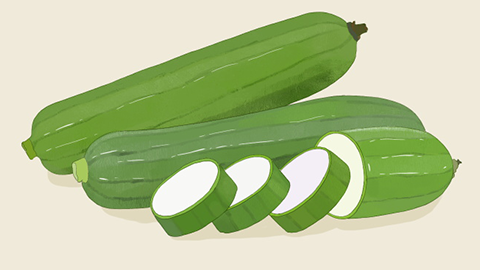
Luffa is a low-purine food, with about 11 mg of purines per 100 grams, making it suitable for consumption by individuals with gout. It is rich in water and dietary fiber, which help promote uric acid excretion, and also contains B vitamins and minerals that help maintain metabolic balance in the body. During the remission phase of gout or when uric acid levels are stable, lightly stir-frying, making soup, or mixing luffa into salads and consuming it in moderation can serve as an auxiliary diet to improve the condition and relieve joint discomfort.
If a gout attack occurs with severe joint pain and obvious redness and swelling, relying solely on luffa cannot control the inflammation, and timely medical treatment with medications is necessary. Moreover, luffa is a cold-natured food, and excessive consumption may cause gastrointestinal discomfort and affect nutrient absorption in gout patients with spleen and stomach deficiency-cold. Using high-fat and high-salt seasonings during cooking or pairing luffa with high-purine foods such as seafood and animal offal may negate its benefits and even worsen hyperuricemia. Furthermore, luffa cannot substitute for uric acid-lowering medications; gout patients should not rely solely on dietary adjustments and must not neglect standardized treatment.
Gout patients should control the amount of luffa consumed, choose light cooking methods, avoid eating it with high-purine foods, reduce intake appropriately if they have spleen and stomach deficiency-cold, and strictly follow medical advice for treatment. Maintaining a low-purine diet and healthy lifestyle habits is also essential.


