


What causes weakness in both legs?
Jul 05, 2021
Source: Cainiu Health

Dr. Lin Yunfei
Introduction
1. Pathological factors, such as ligament injuries, chondromalacia patellae, intra-articular loose bodies, discoid meniscus, and synovial plica syndrome.
2. Hypokalemia—typically causing skeletal muscle weakness—requires prompt potassium supplementation; the underlying cause of hypokalemia must also be identified and addressed for definitive treatment.
3. Calcium deficiency, as calcium is an essential element for the body, particularly in elderly individuals.
Leg weakness refers to a sudden inability of the quadriceps muscles to maintain knee extension—or to sustain the required lower-limb posture—during activities such as climbing stairs or walking. Patients often describe a sensation of “giving way” in the legs, feeling as though their knees are buckling or that they are about to collapse onto their knees. This symptom is frequently accompanied by knee pain and other related manifestations. So, what causes bilateral leg weakness? Below, we address this question.
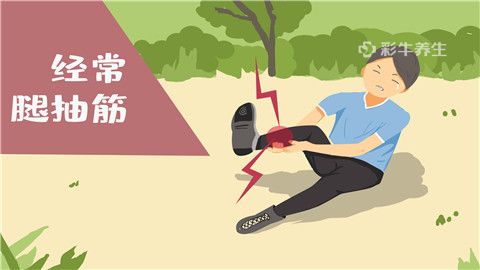
What Causes Bilateral Leg Weakness?
1. Pathological Factors
These include ligament injuries, chondromalacia patellae, intra-articular loose bodies, discoid meniscus, synovial plica syndrome, and quadriceps atrophy secondary to prolonged immobilization. Joint motion injuries—such as meniscal tears—as well as chronic joint conditions—including chronic knee synovitis—may also contribute. Additionally, degenerative changes—such as knee osteophyte formation and osteoarthritis—can lead to bilateral leg weakness. Congenital factors, including congenital patellar subluxation, may likewise be implicated.

2. Hypokalemia
Hypokalemia commonly results in skeletal muscle weakness and warrants prompt potassium supplementation. Identifying and addressing the underlying cause of hypokalemia is essential for definitive management. Furthermore, multiple cerebral infarcts may lead to reduced lower-limb muscle strength and bilateral leg weakness, necessitating comprehensive treatment. Excessive physical exertion or overuse-induced muscle fatigue in the lower limbs may also cause transient leg weakness; in such cases, rest and gentle lower-limb massage are recommended. Moreover, lumbar disc herniation, spinal stenosis, and spondylolisthesis can all produce bilateral leg weakness and require evaluation and management at a qualified medical facility.

3. Calcium Deficiency
Calcium is a vital mineral for human physiology, particularly in older adults, who may experience impaired calcium absorption due to various age-related physiological changes—leading to calcium deficiency. This deficiency can manifest clinically as leg weakness and a sensation of “rubbery” or “unstable” legs. Therefore, regular outdoor activity with sun exposure and dietary intake of calcium-rich foods are recommended. Other potential contributors include diabetes mellitus, peripheral neuropathy, cervical spondylosis, and rheumatic disorders.
The above outlines the common causes of bilateral leg weakness. We hope this information is helpful to you.








